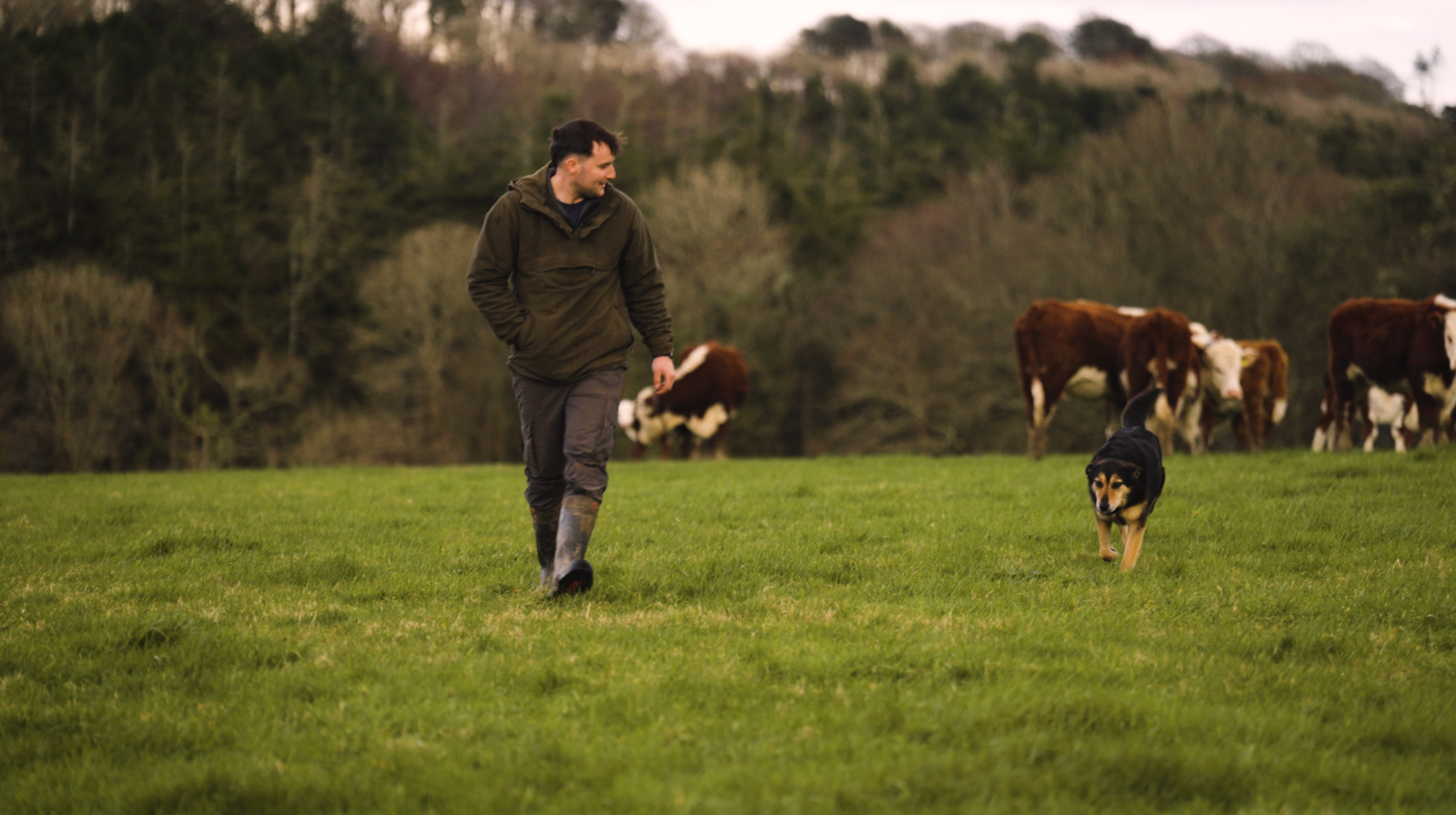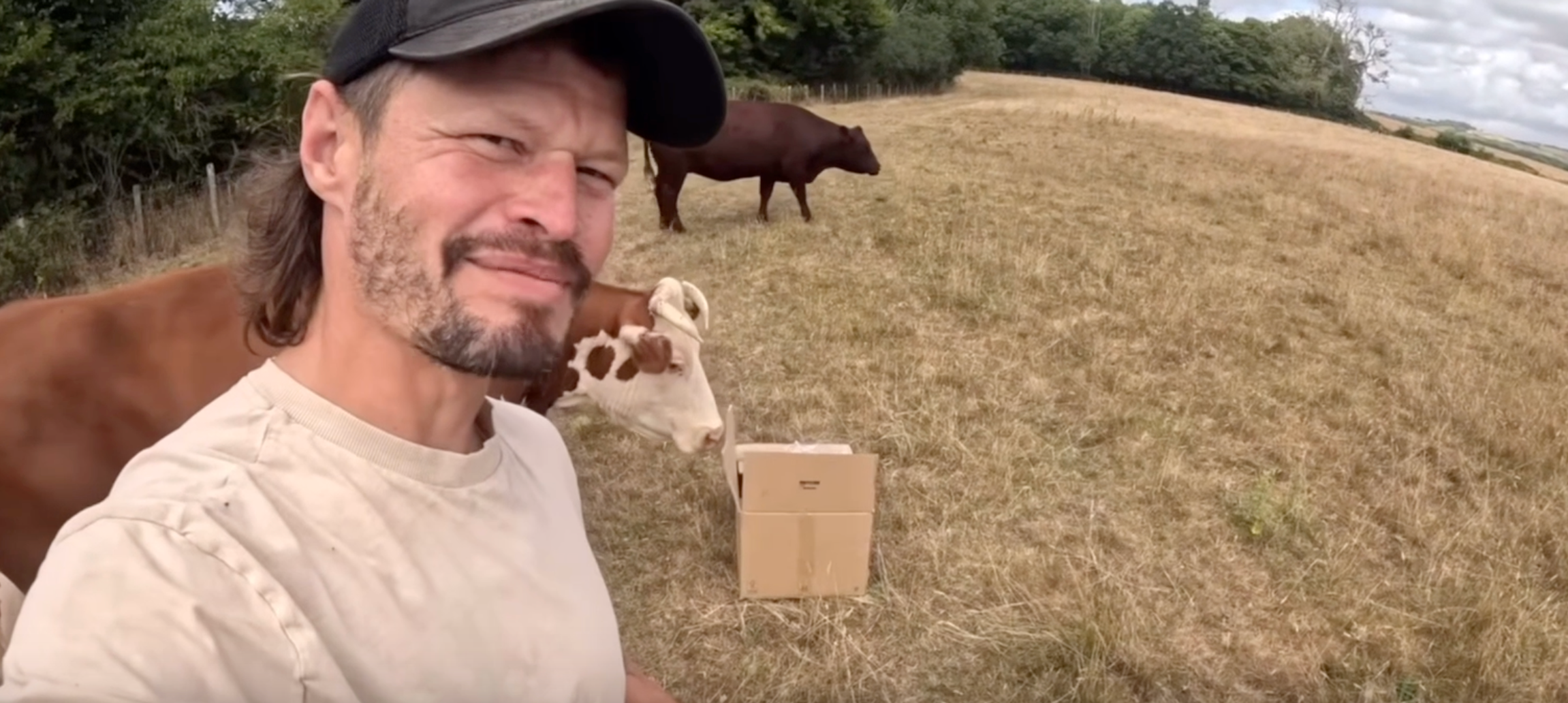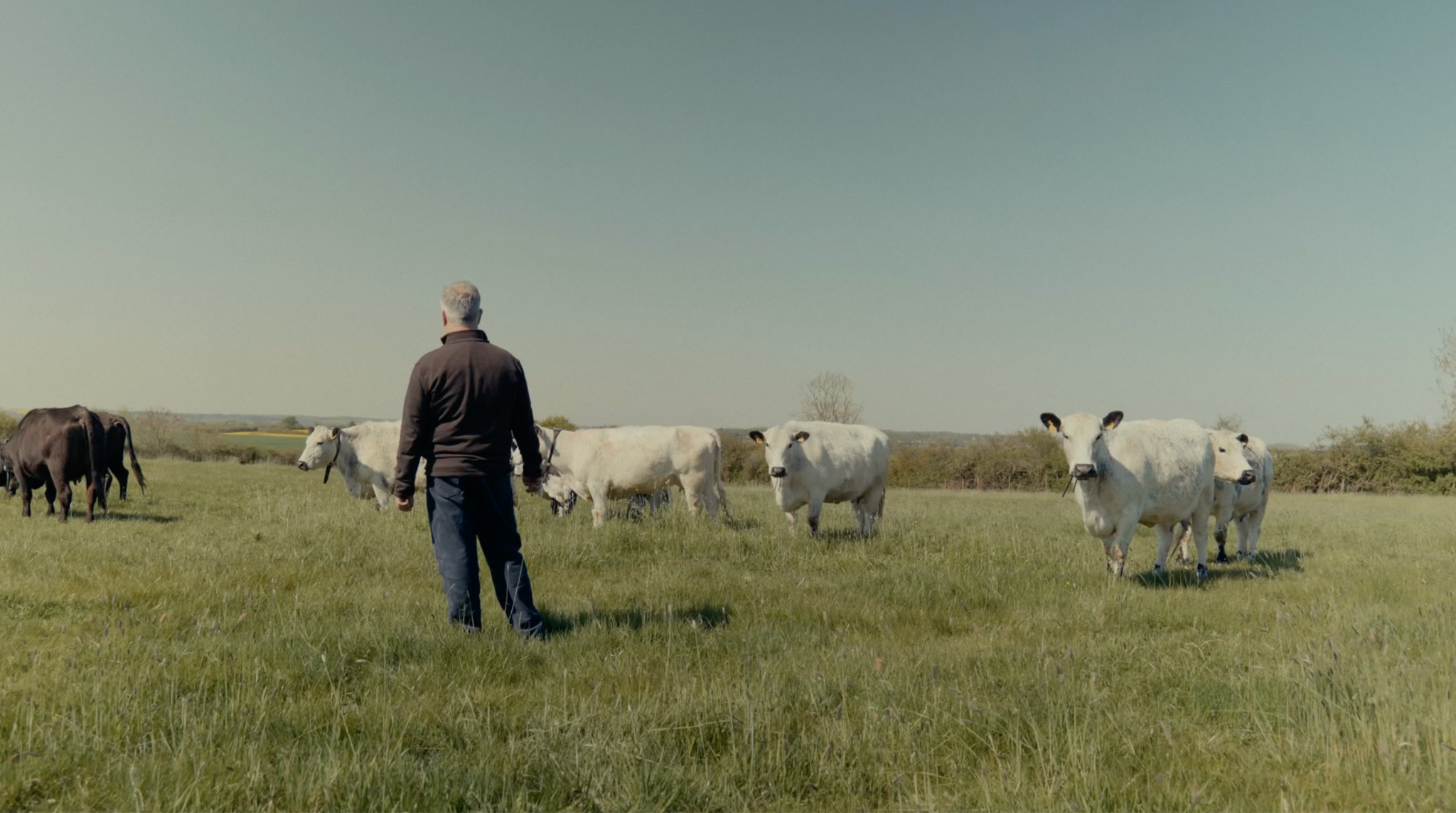

See how Rob Pratt is using Monil collars on rented ground in the Bedfordshire/Buckinghamshire borders.
Watch his farming story in the video below
Don't have time to watch the video?
Here’s a summary of the highlights:
A different kind of farming operation
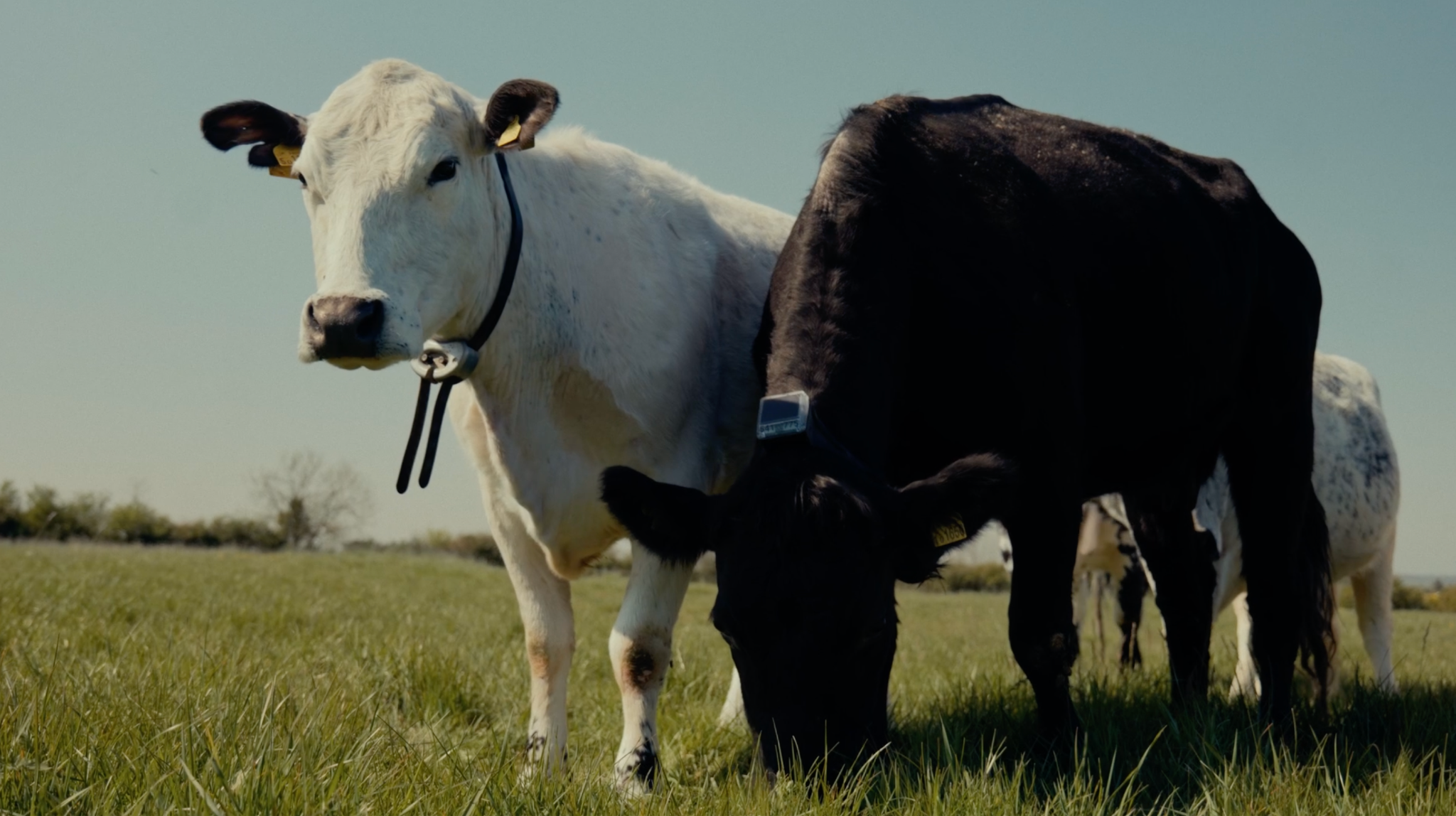
Rob Pratt isn't your typical cattle farmer. Based on the Bedfordshire/Buckinghamshire borders, Rob runs a sheep farm with a growing cattle enterprise spread across rented ground covering a 40-mile area. His Aberdeen Angus cross Speckle Park cows – put to a Wagyu bull – produce a premium crossbred animal, and every bit of meat he sells is his own. It's a setup he's proud of, and one he can tell a story about.
But farming across scattered, short-term tenancies with no permanent infrastructure comes with a fundamental challenge: fencing.
"These collars have definitely opened up a lot more options for grazing cattle on far away bits of ground, or on bits of ground with substandard fencing."
Ground you can't fence, cattle you can't graze
Short-term lets make financial sense for a grazing operation like Rob's. You take on what ground is available, graze it well, and move on. But the economics only work if you don't have to invest in fencing every time.
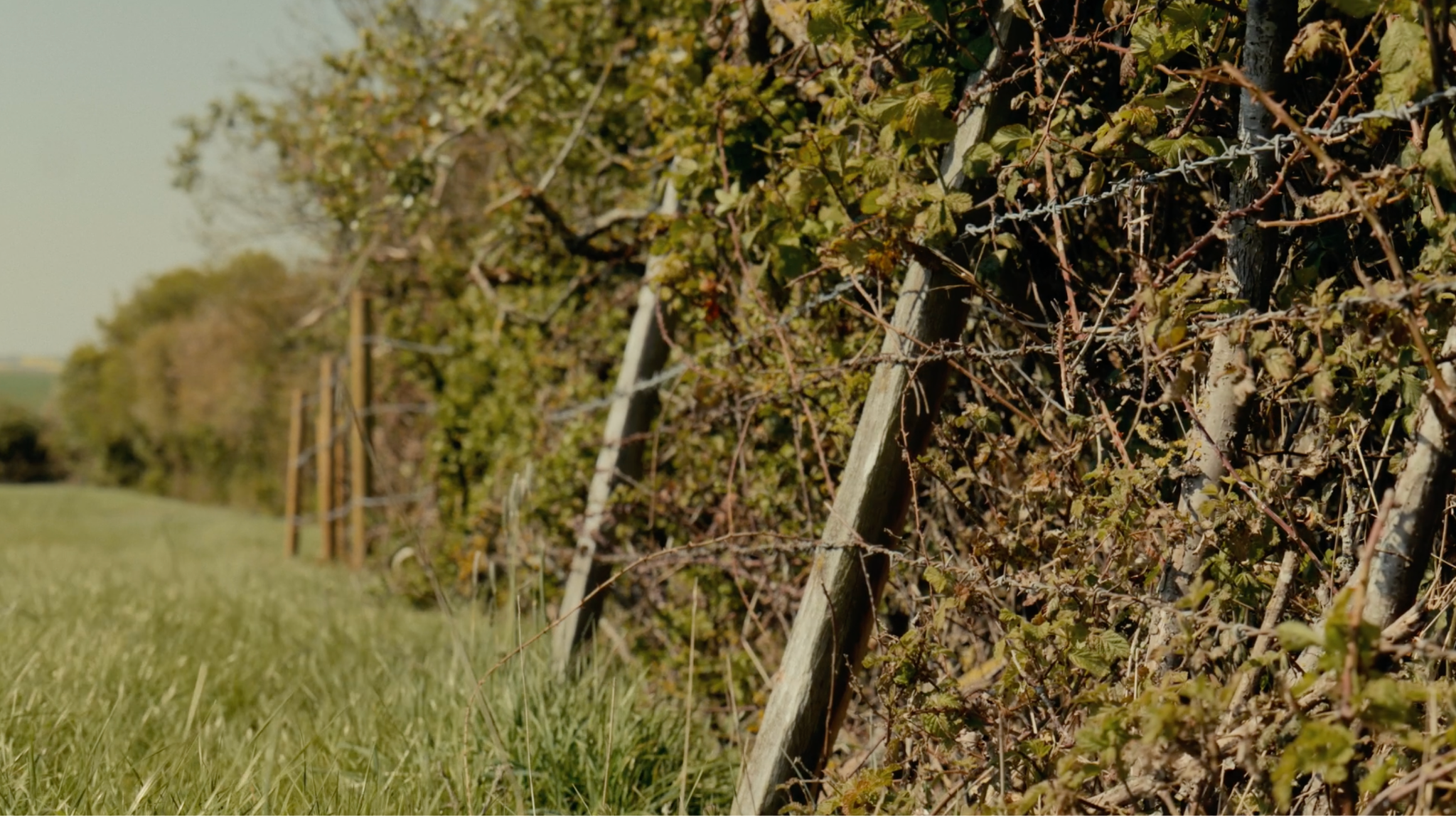
The trouble is, much of the ground Rob takes on comes with exactly the kind of boundary fencing that makes cattle management risky. Rotting posts, sagging wire, gaps that a curious bullock would find within twenty minutes.
"We couldn't put cattle in this field rubbing up against these fence posts because they'll break them. The cattle will be out, we wouldn't be here for 20 minutes, maybe longer in rush hour."
With Monil collars, that equation changes. The virtual fence holds the cattle regardless of what's happening at the boundary. Ground that was previously off-limits – too remote, too poorly fenced, too risky – becomes viable.
The 130-acre problem
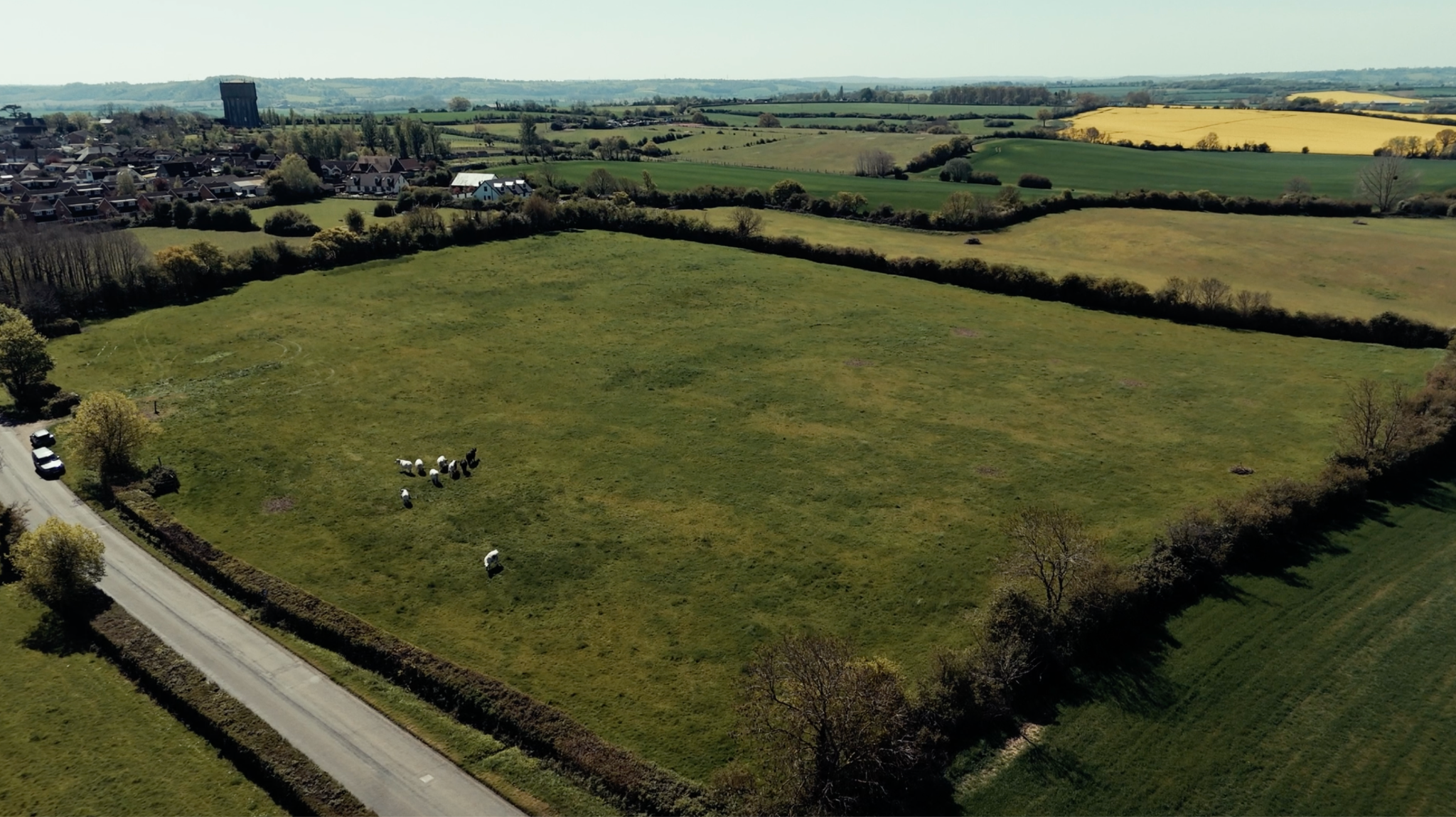
The moment that pushed Rob toward Monil came last spring, when he was offered the chance to graze a 130-acre block about three miles down the road from his home. A good opportunity, but with a catch. The landlord wanted the field grazed in 13 separate blocks, rotating the cattle every seven days.
Thirteen subdivisions. Thirteen lots of temporary fencing to put up, move, and take down on a weekly cycle, across a field three miles from base.
"I thought there's got to be an easier option than subdividing a field into 13 separate blocks. That's where there seemed to be an easy answer to a complicated question and that's where we went down the Monil collar route."
With virtual fencing, the 13-block rotation became a matter of redrawing zones on an app. No posts, no wire, no wasted days.
Up and running in days
Rob has now been using the Monil collars for 12 months. The learning curve for the cattle was minimal.
"The first day a couple of cattle got through, the second day one beast got through, and after that there were no escapees at all. I was amazed at how well the collars worked."
Three days from introduction to full compliance. For an operation that moves between different parcels of ground regularly, that reliability matters enormously.
Peace of mind over morning coffee
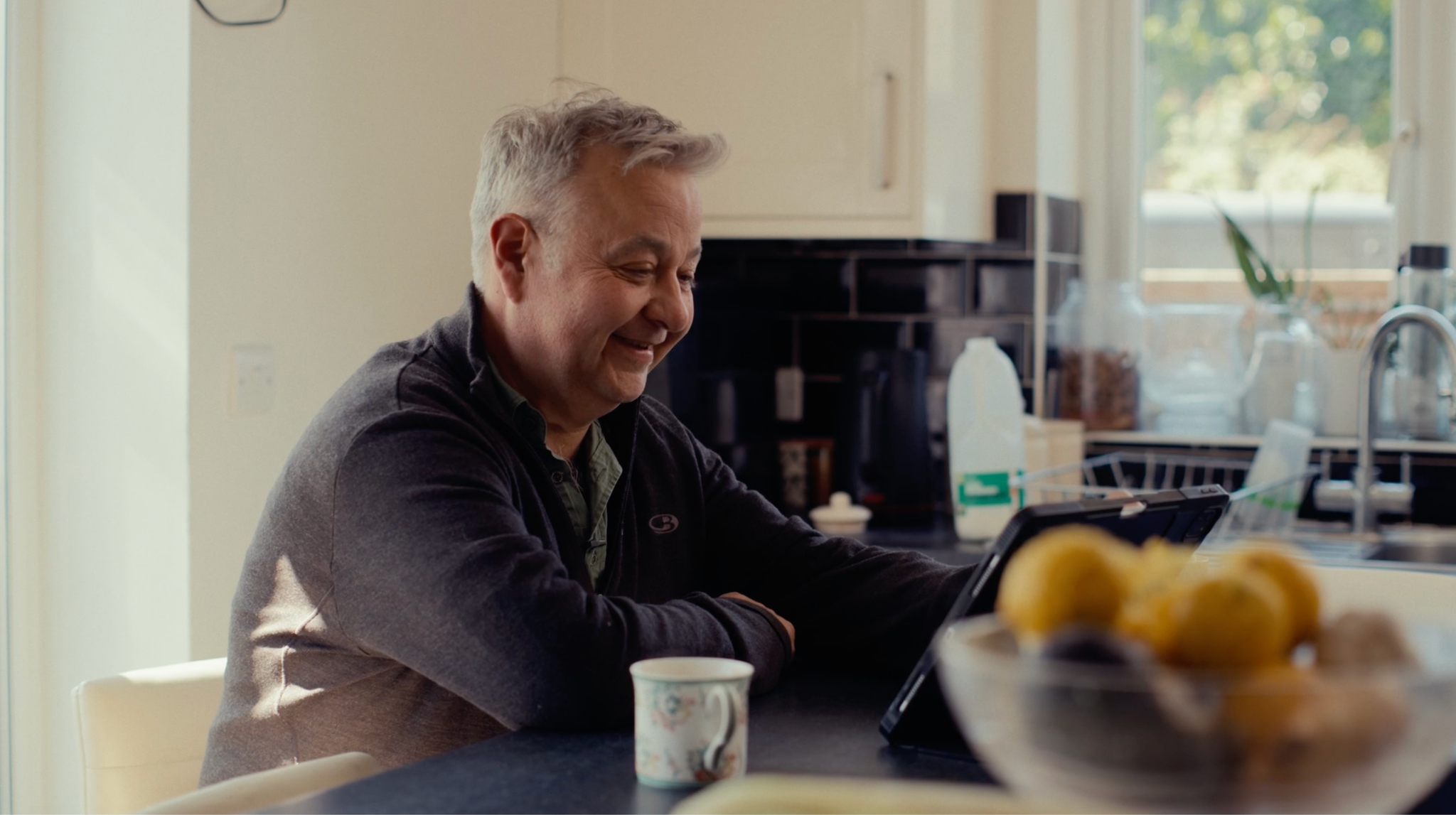
Day-to-day, the Monil app has become part of Rob's morning routine. Before he heads out, he checks the app.
"My morning routine is when I get up and have my morning coffee, I'm straight on the Monil app just to check everything is where it should be and just have that peace of mind."
On a recent morning, a glance at the app told him everything he needed to know: all the cattle lying together in one group, calm and settled.
"When I look at this first thing in the morning, I think they're all happy. I'll have my cornflakes and head over there after rush hour."
For a farmer managing cattle across a wide area without permanent staff on the ground, that kind of visibility is worth a great deal.
Complete flexibility to graze ground that wasn't possible before
After 12 months, Rob's verdict is clear.
"I'd recommend Monil collars to any farmer, because it gives me complete flexibility to graze cattle on blocks of ground that I wouldn't have been able to graze on previously."
Whether it's a far-flung field three miles away, a short-term tenancy with questionable boundary fencing, or a 130-acre block that a landlord wants managed in thirteen rotations: the collars make it workable.
For a farmer whose entire model depends on taking on varied, dispersed ground and making it productive without heavy infrastructure investment, that flexibility isn't just convenient. It's the thing that makes the business possible.
Farming on rented or short-term ground? We'd love to hear about your setup.
Book a 30-minute meeting or request a non-binding quote below.