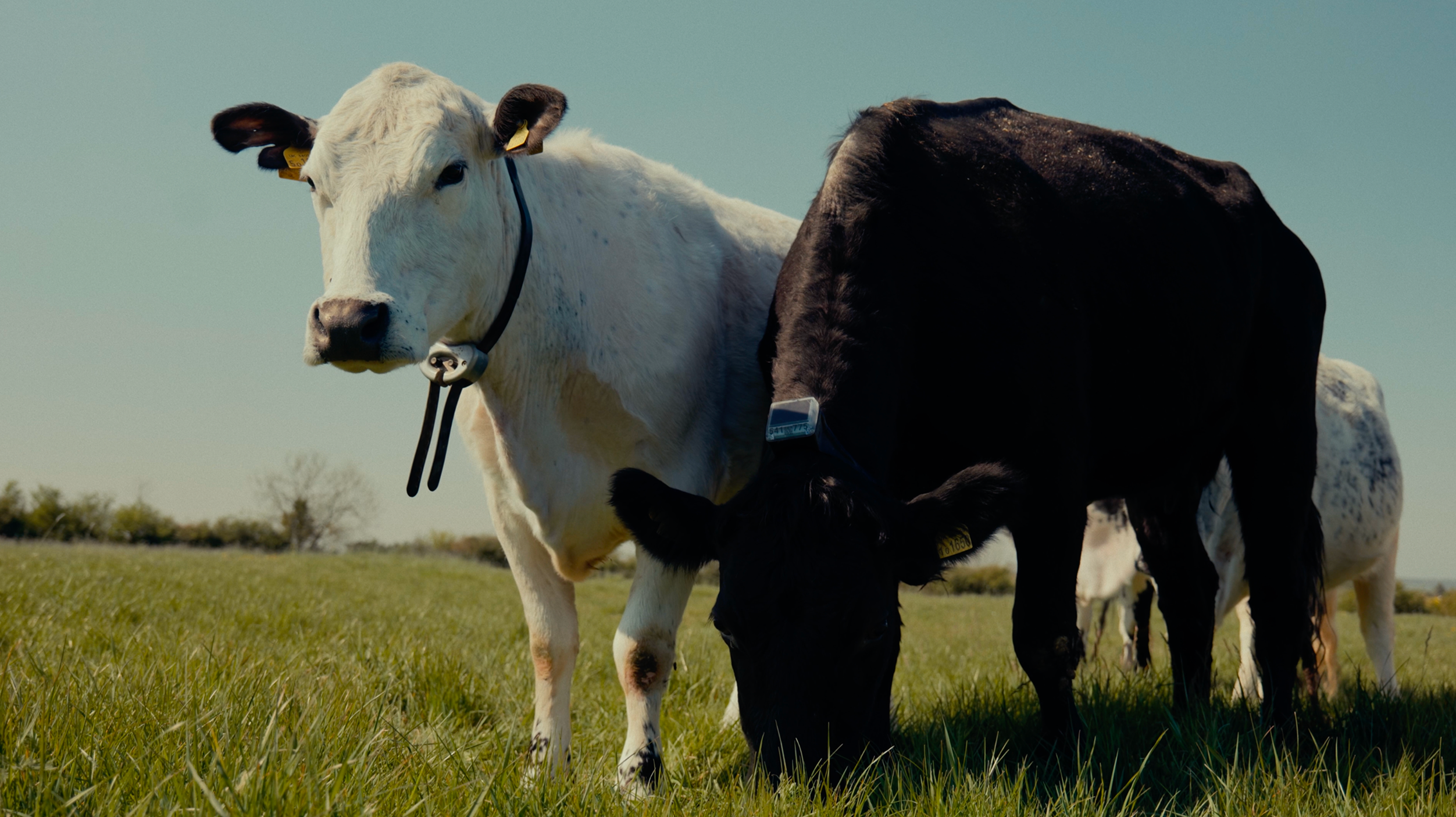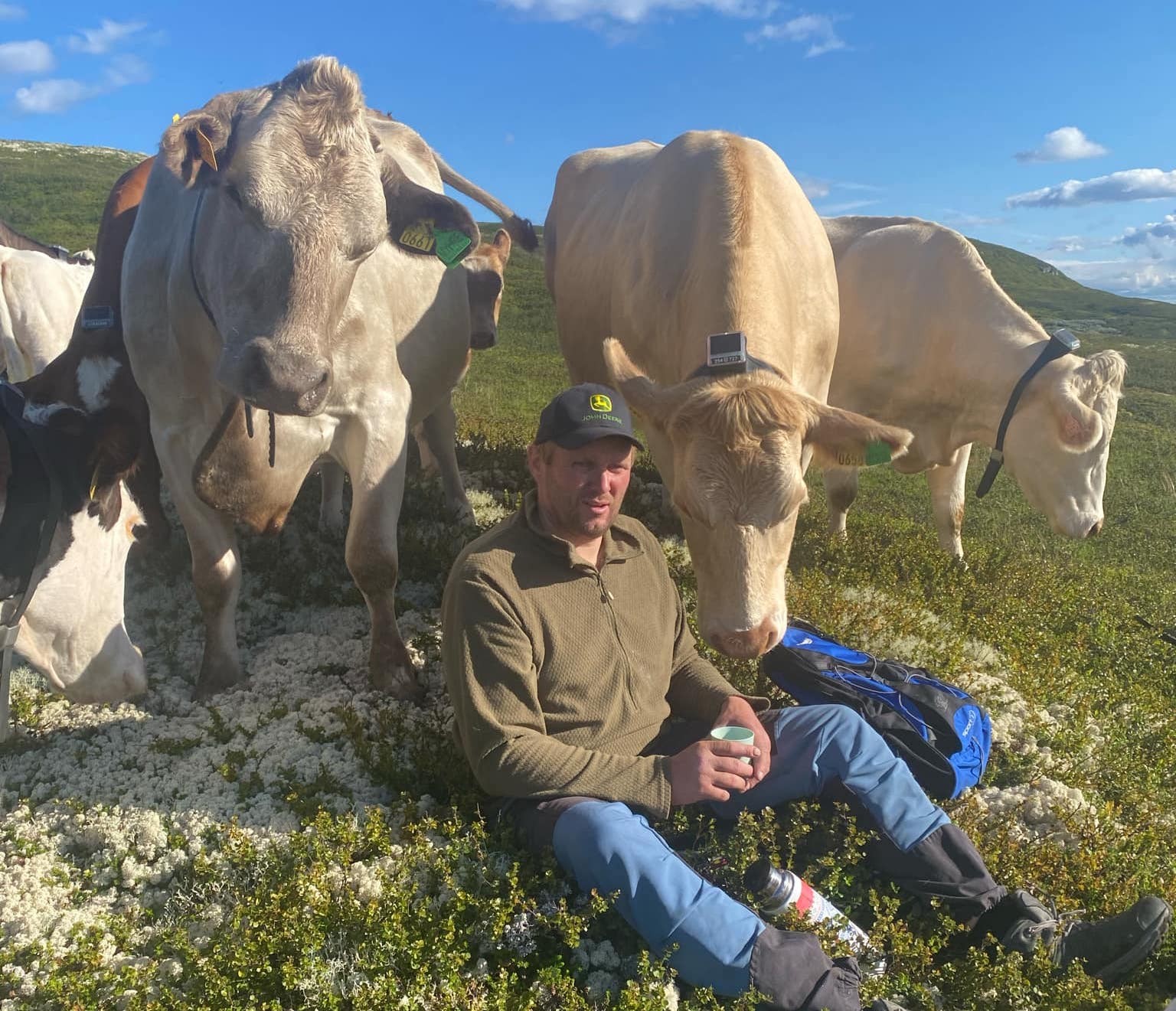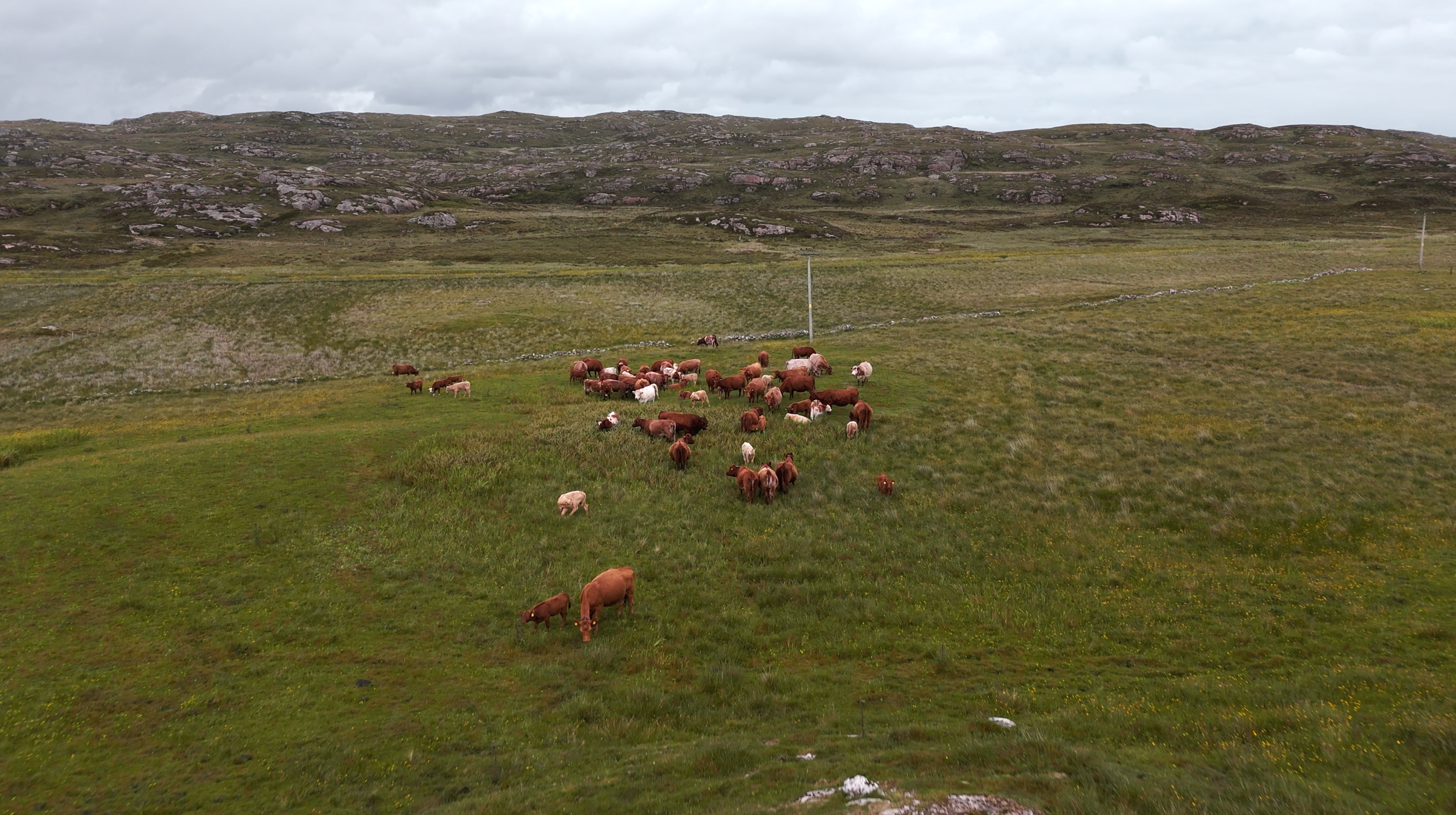

Monil Virtual Fencing continues to work even when there’s no mobile signal at all. The fence stays active, animals stay contained, and you stay in control — with a few smart practices to keep everything running smoothly.
Why Coverage Matters (and Why It Matters Less Than You Think)
Monil collars use Vodafone, O2 and EE networks, and only need occasional signal to upload data and receive new fence lines. Once a fence is set, the collars hold it locally, so loss of coverage doesn't stop the fence working.
It helps to be clear on what connectivity actually does. Sending updated fence lines and receiving live location data both depend on signal. Holding the boundary and responding to the animal don't. That runs on the collar itself. When a collar moves into coverage, even briefly, it syncs and picks up where it left off.
If you're planning grazing in a known signal dead spot, the main consideration is how and when you'll update the fence.
Practical tips for low-coverage blocks
- Pre‑load your fence lines — Set up the grazing block before animals move in. The collars store the fence until they next reconnect.
- Check network maps — Vodafone, O2 and EE coverage maps give a good indication of where collars are most likely to reconnect.
- Plan your updates — If you know there’s a “signal corner” in the field, animals will naturally pass through it over time, allowing collars to sync.
- Use the Bluetooth fallback — If you experience extreme or prolonged coverage issues, you can unassign collars from a fence locally via Bluetooth, giving you a reliable way to regain control without waiting for mobile signal. This is especially useful when moving animals out of a block where coverage is consistently poor.
What We See on UK Farms
Across 2025–26,farms using Monil, even in upland, wooded and remote areas, have reported strong collar performance even where phones show little or no signal.
The biggest success factor is simply knowing where the areas of connectivity are within the grazing block. Grazing these for a short period of time during the day should be enough for routine updates. Also, knowing where these areas are will help you effectively manage fence moves.
When to Get in Touch
If you’re planning to graze a block with very limited coverage, we’re always happy to look at your maps, talk through layout options, or help you plan a workable update routine.