The Vision Behind Steel Bridge Farms
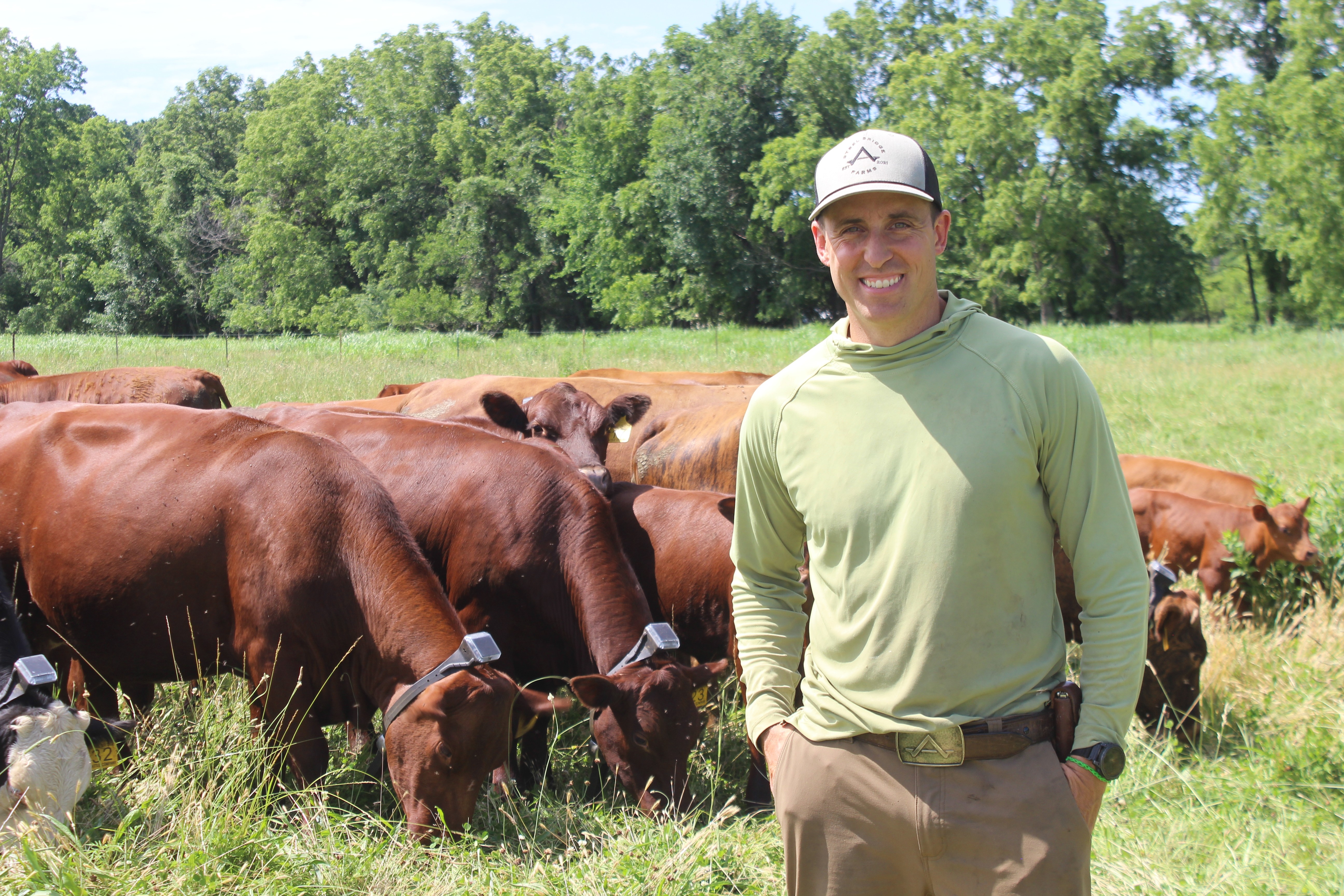
Four and a half years ago, when Jon Rowley bought Steel Bridge Farms outside La Cygne, Kansas, he wasn't just buying a farm. He was buying a vision.
The property had been neglected for years. The house was in rough shape, the fields were buried beneath eight-foot-tall ragweed, and almost every corner of the place needed attention. Most people would have seen an overwhelming amount of work. Jon saw potential.
"We wanted a place where families could come together," he says. "A place where we could do all the things we can't do living in town. But I also wanted cattle to become part of that vision. I wanted to build a regenerative operation that improved the land every year."
Over the next few years, the property slowly transformed. Trails were cut through the timber, the farmhouse was restored, a bunkhouse was built, overgrown fields were reclaimed, and the 325 acres gradually became the place Jon had imagined from the beginning. Once the land was ready, cattle became the next chapter.
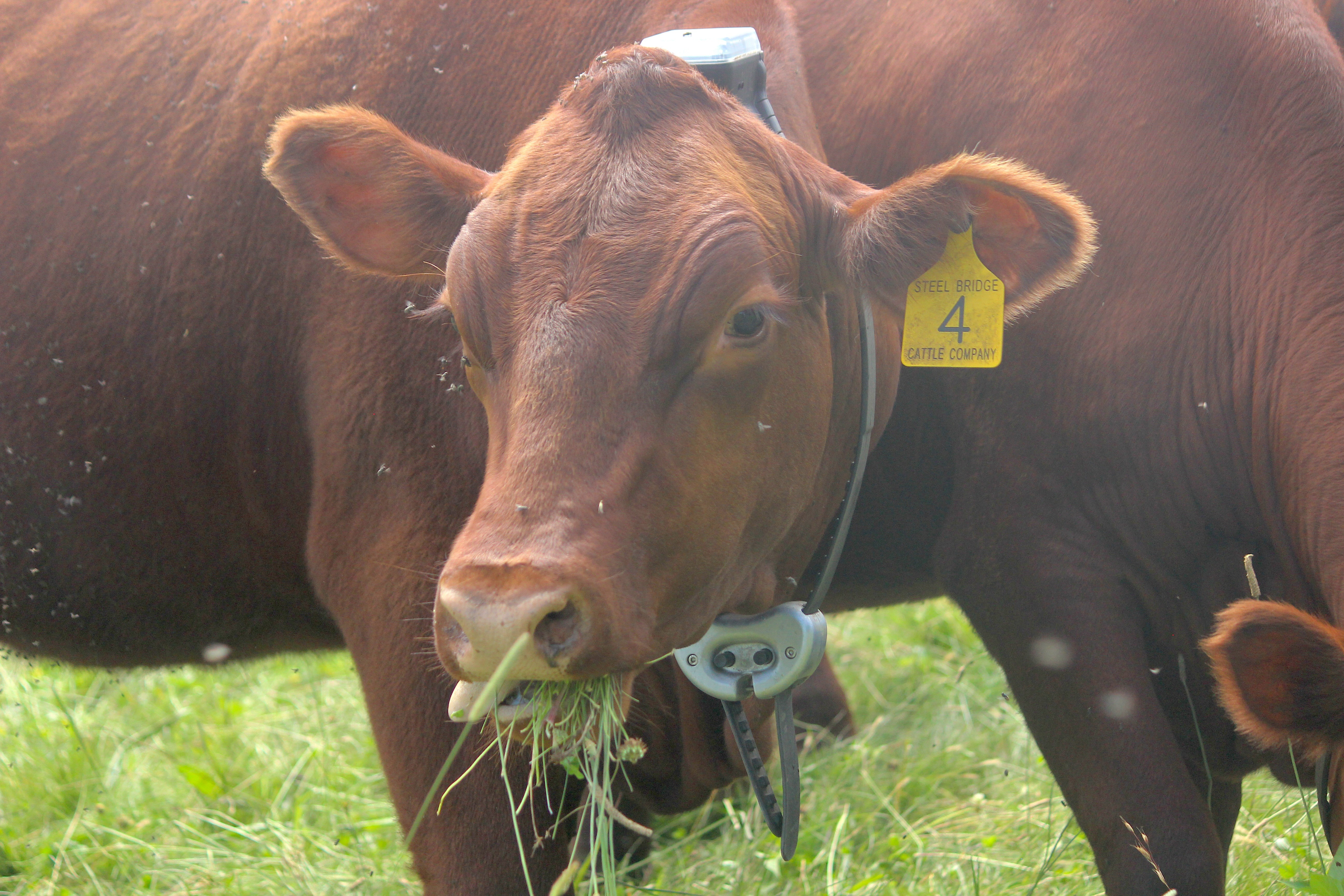
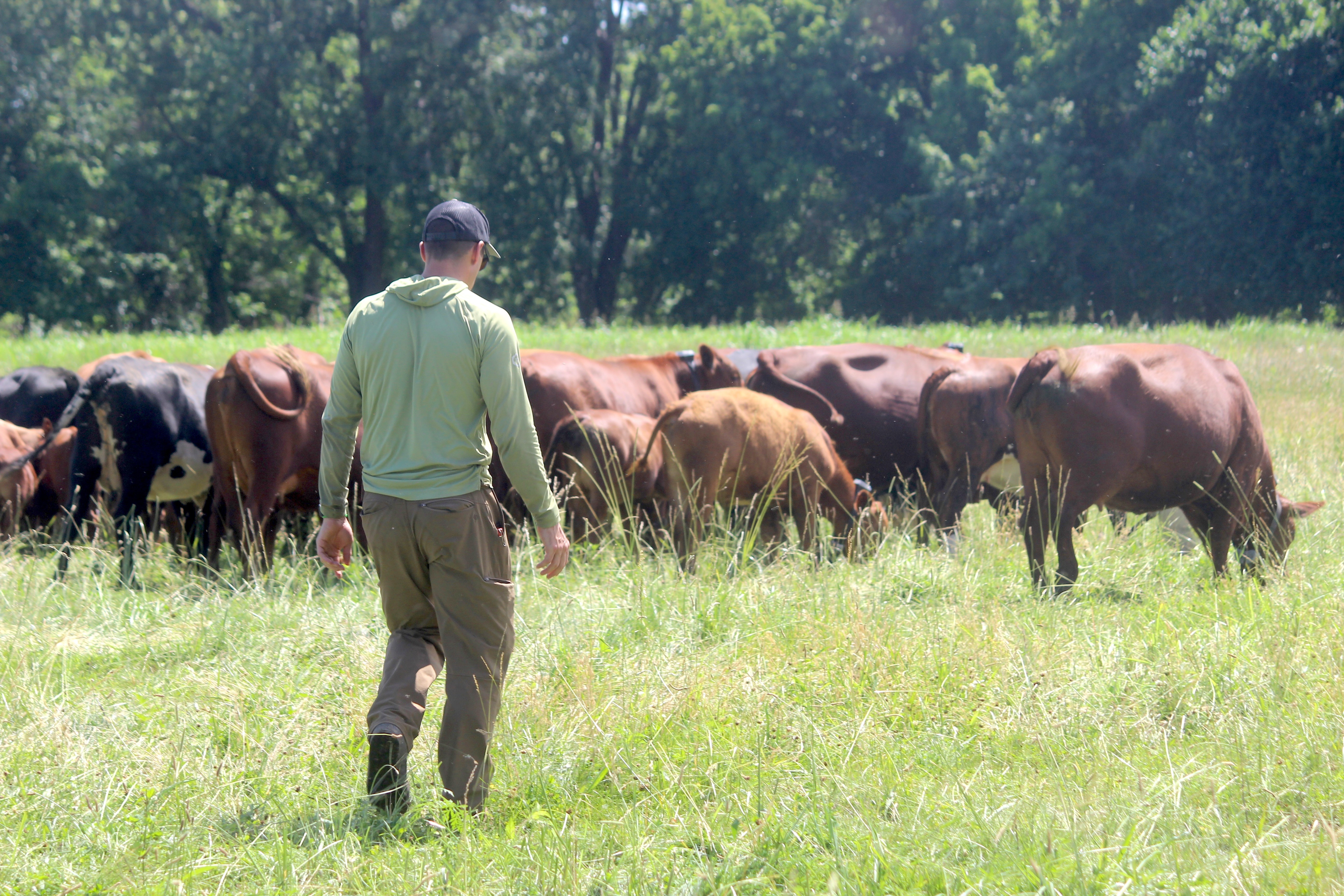
Starting with just six South Poll cattle a little over two years ago, the herd has grown into today's cow-calf operation — roughly 30 cows and their calves, run through Steel Bridge Cattle Company, which Jon co-founded with his business partner Ben Panos. Like many first-generation ranchers, they were learning as they went.
"We didn't have the capital to start big," he says. "And honestly, we didn't have the know-how either."
From the beginning, regenerative grazing was central to our plan. Temporary polywire allowed the herd to rotate every couple of days, giving pastures time to recover while improving forage utilization. It worked, but Jon & Ben quickly realized that the grazing system they wanted and the system they could realistically manage weren't necessarily the same thing.
"You know moving cattle more often is better," he says. "Better for the grass, better for the animals. But every move means rolling up wire, putting out new wire, checking power, opening gates. Eventually you start asking yourself if another move today is really worth it."
Earlier this summer, Steel Bridge became one of the first operations in Kansas to begin using Monil's virtual fencing system. After about a week of training, something unexpected happened.
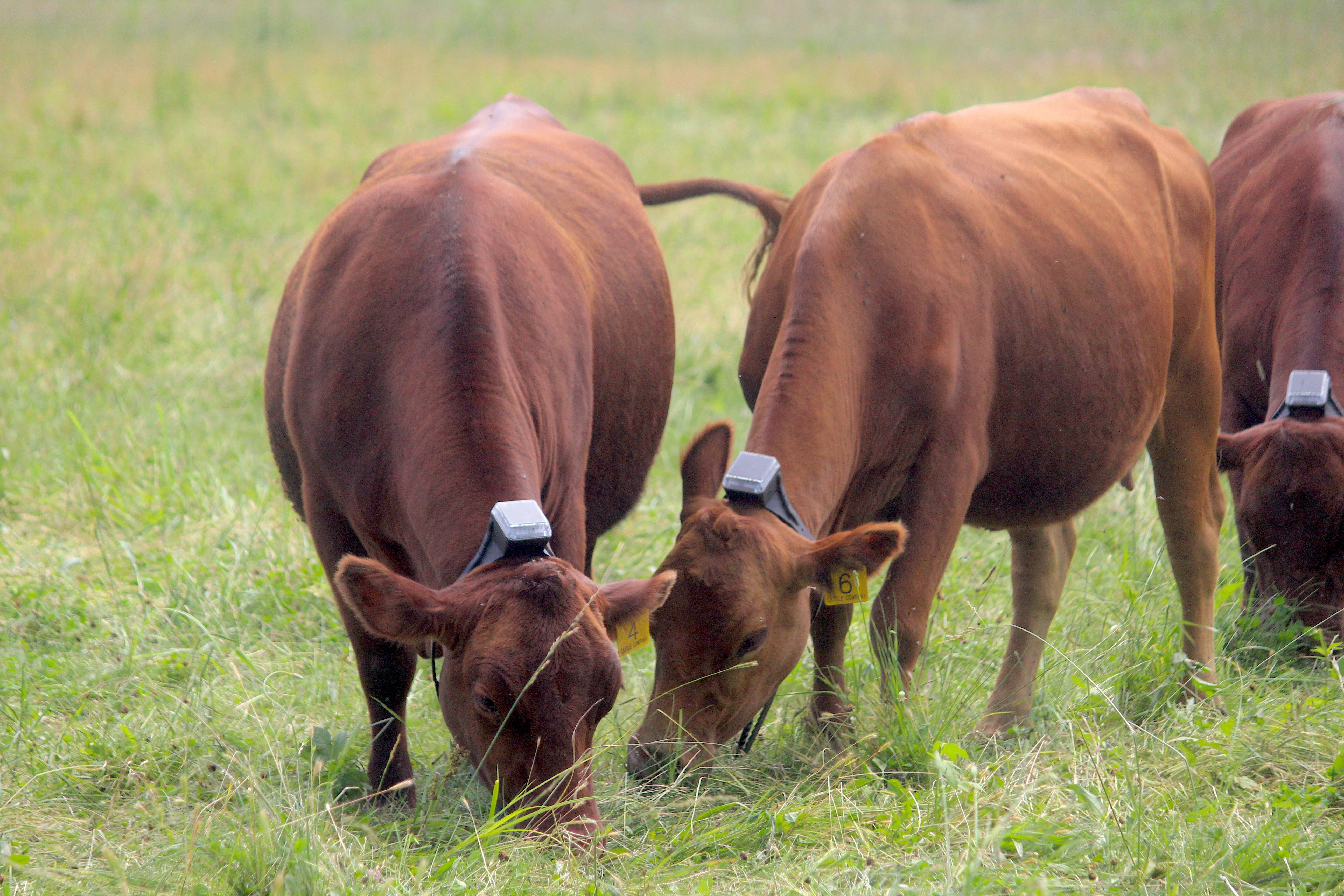
"The whole herd started moving together," Jon recalls. "If we were going from one field to another, the whole herd moved together."
Today, moving cattle three or four times a day has become routine.
"It's literally just a click of the finger."
On a typical summer day, Jon might place the herd on the eastern side of a pasture where the trees provide shade from the morning sun. Later in the afternoon, he shifts the virtual fence so they naturally move toward shade on the western side.
"Instead of hoping they're where I want them to be, I can literally put them exactly where I want them to be."
But the biggest surprise wasn't how easy it became to move cattle. It was how much closer he suddenly felt to them.
Managing a Ranch from 60 Miles Away
Jon doesn't live on the ranch.
Most of the week he's in Prairie Village, on the Kansas side of the Kansas City metro, where his other businesses and his family keep him about an hour's drive from the farm. The day-to-day work is carried out by his dad, Jeff, who lives on the property as caretaker and manages the ground-level operation — checking cattle, monitoring water, and handling whatever needs attention.
Before virtual fencing, that distance often meant feeling disconnected from what was happening on the farm. Jon would check in, ask where the cattle were, and visit whenever he could.
Today, that relationship has completely changed.
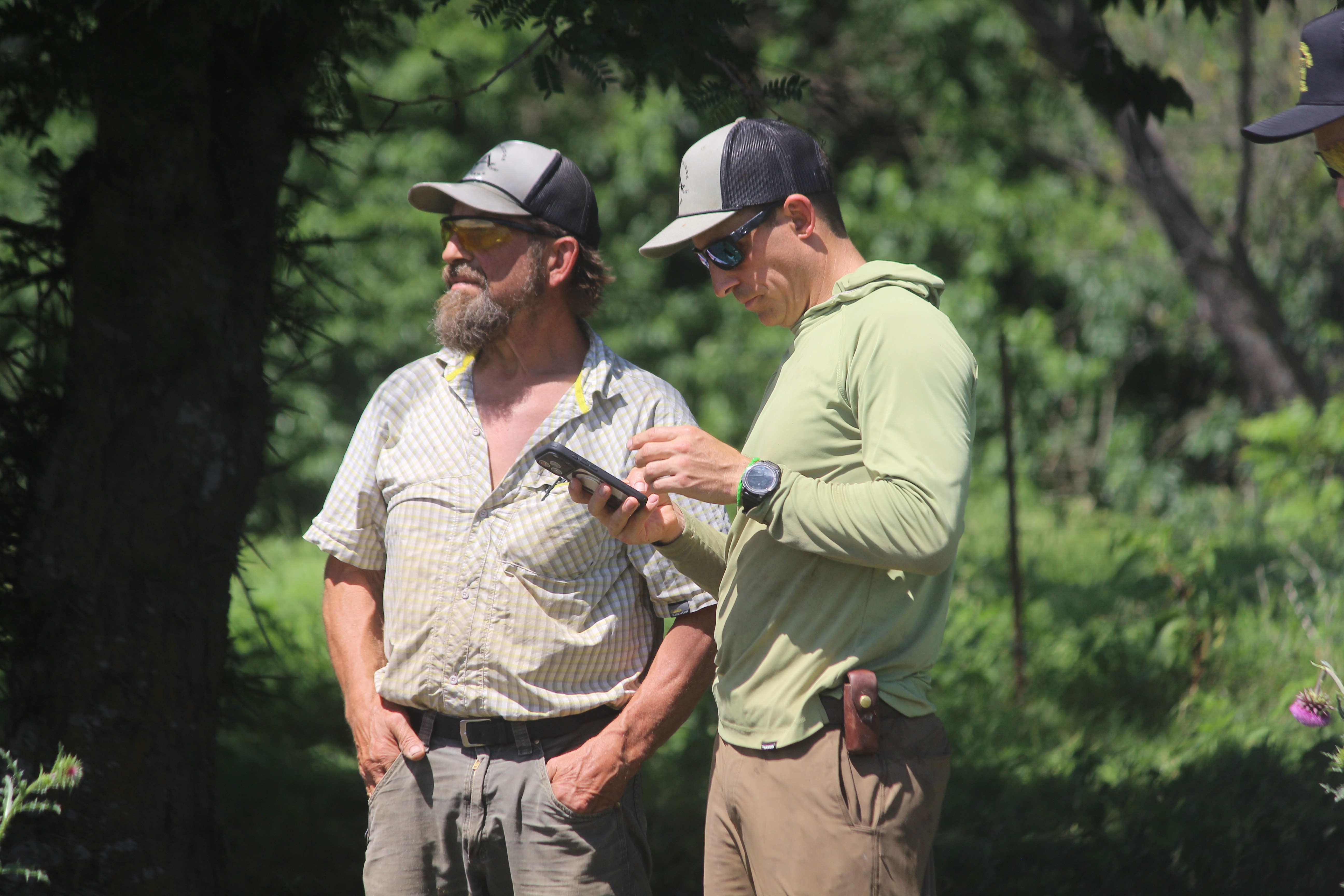
Whether he's sitting in his office or at home with his family, Jon can see exactly where the herd is grazing, how they're using each pasture, and when it's time to move them. Throughout the day, he works alongside Jeff remotely, making grazing decisions while the hands-on work happens in the pasture.
"I actually feel connected to the herd," he says.
It's a simple statement, but it captures something far bigger than technology.
Instead of checking on cattle after something has happened, Jon is involved while it's happening. He studies the grazing heat maps to understand where cattle spend their time. He notices which areas they avoid and which shaded spots they prefer during the hottest hours of the day. When he visits the ranch, he already knows the story the pasture is going to tell.
"It's addictive," he says with a laugh. "I'm always curious. Where are they? Which shaded areas do they like? How are they using the pasture? How can I manage it even better tomorrow?"
For Jon, virtual fencing didn't replace walking the land. It made every walk more meaningful.
When Virtual Fencing Became More Than a Fence
The clearest example came only a few weeks after the collars were installed.
One morning, a young calf was struggling to nurse, and its mother had begun to develop a swollen udder. The pair needed attention quickly. Unfortunately, the herd happened to be grazing in the farthest pasture from the handling facilities.
Instead of gathering extra people or spending hours pushing cattle across the farm, Jon opened the Monil app from home.
Using the map, he created a virtual lane leading directly from the pasture to the bud box. Jeff opened the gate on the ground while Jon adjusted the back fence every fifteen or twenty minutes as the herd calmly walked toward the handling facilities.
"We really didn't do anything," he says. "We just kept moving the back line, and they walked right into the bud box."
The cow was treated and the calf received the help it needed.
Letting a Cow Find Her Own Calf
Then another problem appeared.
One of the newborn calves had disappeared.
For hours, the team searched the property without success. Like many newborn calves, it had simply hidden itself in the tall grass.
Rather than forcing the cow to remain with the herd, Jon made a decision that would have been almost impossible with traditional fencing.
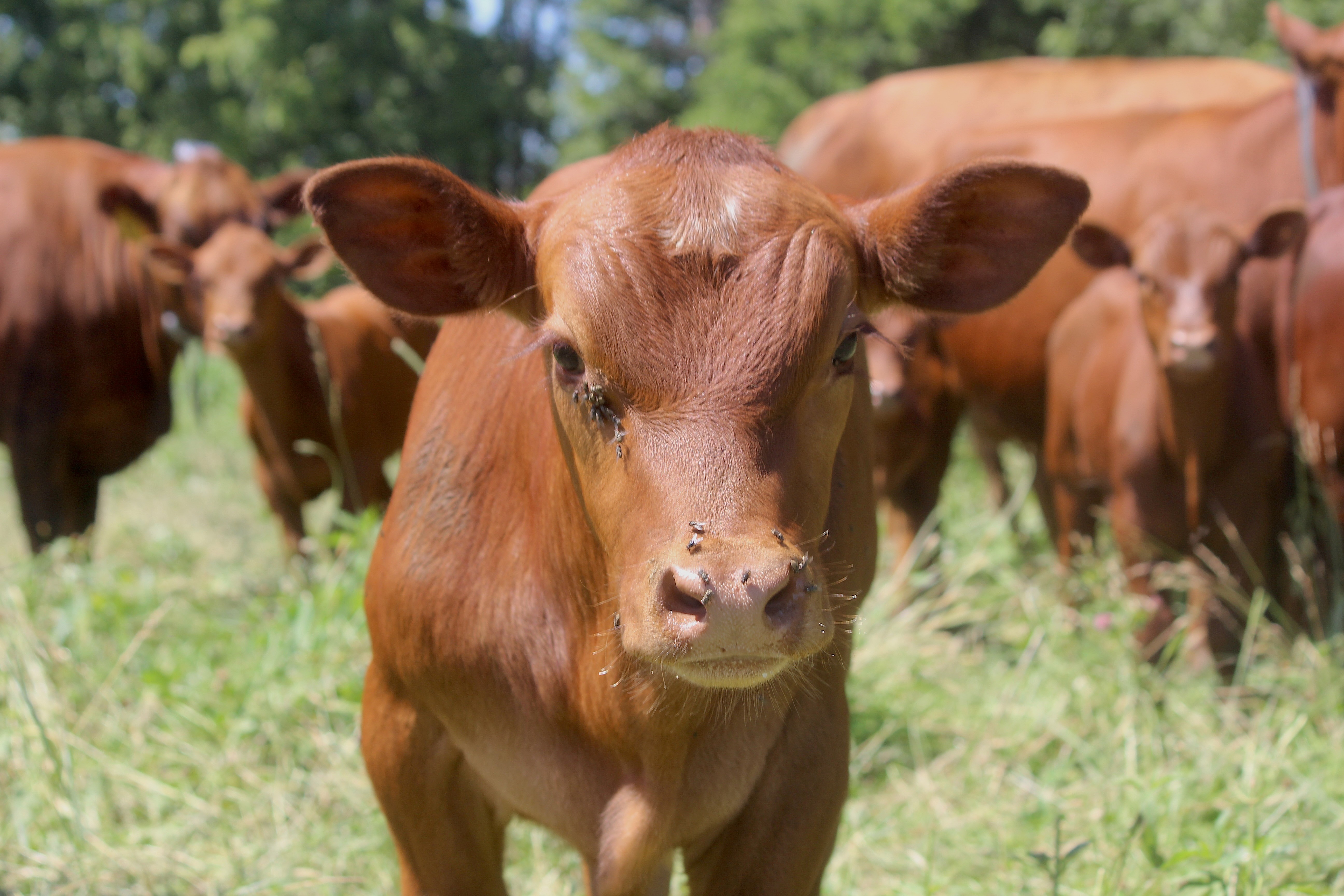
"I created a perimeter just for number 15," he explains. "I basically gave her the whole property so she could go find her calf."
The following morning, Jeff opened the gate.
Ten minutes later, the cow had found her baby.
Watching her location update in the app from an hour away, Jon created another virtual lane leading back toward the rest of the herd. The cow quietly made her way home with her calf following behind, while Jeff watched from the ground.
"It took about ninety minutes," he says. "She worked her way back to the herd, we deleted the temporary fence, moved her back into the group, and that was it."
No chasing. No stress. No disruption to the rest of the herd.
"We basically just gave her permission to go find her baby."
For Jon, that moment perfectly captured what virtual fencing had become.
Jeff was doing what only a person on the ground can do — opening gates, checking animals, working with the cattle. Jon, sitting sixty miles away, was just as involved. Together they managed the situation without rushing either the cow or the calf.
The Value Goes Far Beyond Labor Savings
When Jon first looked at virtual fencing, he expected it to save labor.
"I thought it'd pay for itself within a year," he says.
Today, he still believes the economics make sense, but he also believes he was asking the wrong question.
"The spreadsheet still works," he says. "But that's not really where the value is."
Instead, he points to something that's much harder to put a number on.
"My interaction with the herd. My engagement. The information. The decisions I can make every day. We simply didn't have that before."
The labor savings are real. So is the flexibility. But for Jon, those benefits have almost become secondary.
"The technology hasn't replaced stockmanship," he says. "If anything, it's allowed me to be a better stockman."
Looking Ahead: More Herds, More Flexibility
Steel Bridge is still early in its journey. Jon and Ben plan to continue expanding regenerative grazing across the property, grow the herd as carrying capacity allows, and eventually manage multiple groups independently. But if you ask Jon what has changed the most over the past six weeks, his answer has very little to do with moving fences.
Virtual fencing didn't simply replace a wire.
It gave him a connection to his farm that distance had taken away.
Even while living and working an hour north in Kansas City, he knows where his cattle are, how they're using every pasture, where they're finding shade, and what the next grazing move should be. He's no longer waiting for updates from the farm. He's part of them.
He smiles before answering one final question.
"I actually feel connected to the herd."
About Steel Bridge Farms
Steel Bridge Farms is a membership-based shared farm on 325 acres in La Cygne, Kansas — timber, pasture, and river frontage, shared by a small community of families who want farm life without shouldering it alone. The cattle side of the operation runs as Steel Bridge Cattle Company, raising South Poll beef on regenerative pasture for the Kansas City market.
Learn more at steelbridgefarms.com.
If you would like to learn more about whether virtual fencing could fit your operation, we'd love to hear from you. Request a quote, and our team will help you explore whether Monil is the right solution for your ranch.