Get in touch
Whether you’re ready for a quote, checking availability in your state, or need help with your collars, we’ll get you to the right place.
What can we help you with?
Choose the right path and we’ll get you to the right team.
Meet the US team
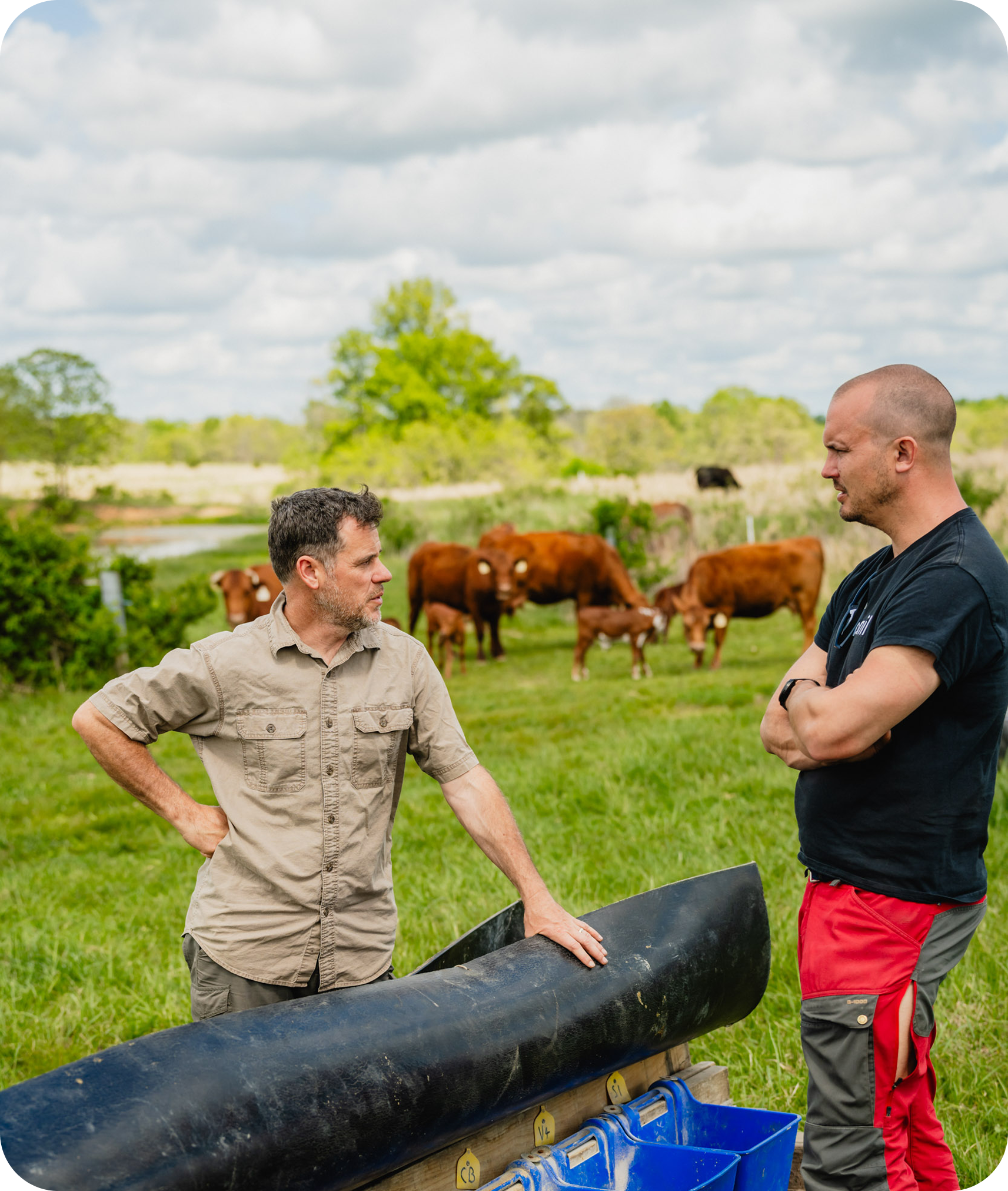
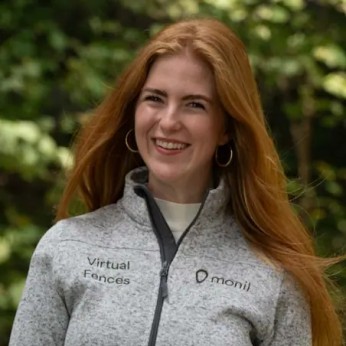
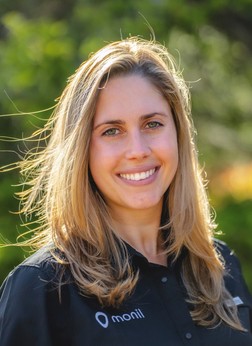
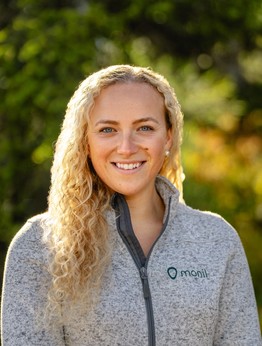
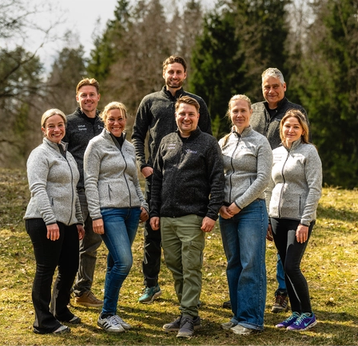
Our US team is here to help you find the right Monil setup for your operation. With backgrounds in agriculture and firsthand experience working with cattle, we provide practical advice, honest answers and support every step of the way.
Leadership
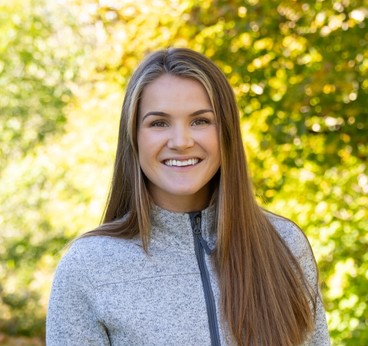


Product
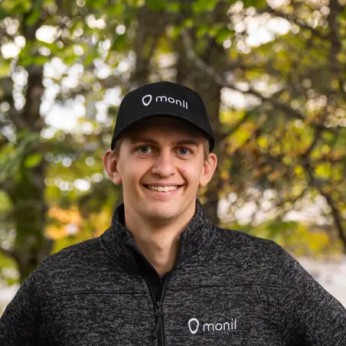 Christoffer GrindheimProduct Manager
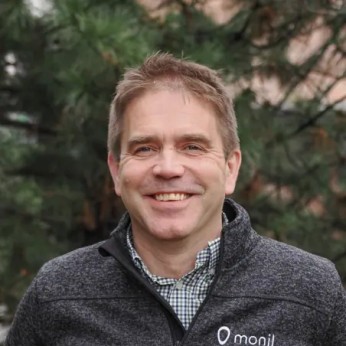 Erik OrreSupply Chain Manager
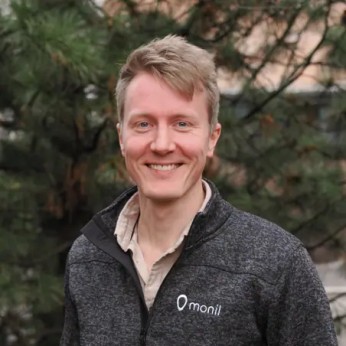 Erik Falk-PetersenHead of Industrial design & Mechanics – R&D
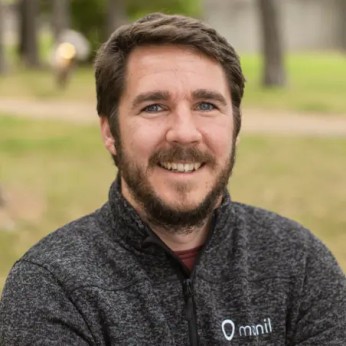 Roald StormSenior Software Engineer – R&D
US Sales
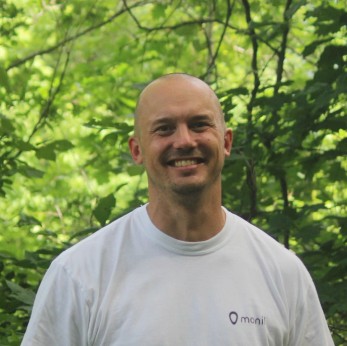 Oliver HalvorsrødHead of US Sales
Oliver has been with Monil almost since the beginning, helping introduce virtual fencing to farmers in new markets. With a background in applied physics, he has worked closely with livestock producers across Norway, the United Kingdom, and now the United States to understand how technology can solve real on-farm challenges. As Oliver puts it: "After two decades across different industries, I've never worked for a company that has such a positive impact on people's everyday lives. I genuinely love what we can do for our customers."
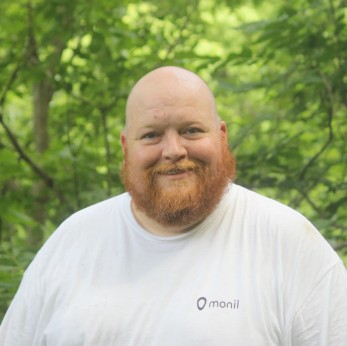 Kalin FlippoUS Sales
Kalin was raised in rural Arkansas, where a love for agriculture and livestock became a way of life. Today, he and his family own and operate a cattle and sheep farm, giving him firsthand experience with the everyday challenges of grazing management, fencing, labor, and caring for livestock. He enjoys working alongside fellow producers, sharing ideas, solving problems, and helping them adopt practical technology that strengthens their operations for years to come. When he isn’t visiting producers, you’ll likely find him working cattle, training sheep, or investing time in the next generation of agriculture.
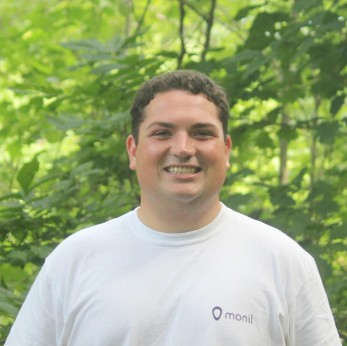 Will LapkeUS Sales
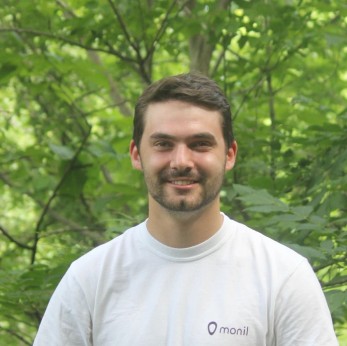 John MilesUS Sales
US Farmer Success
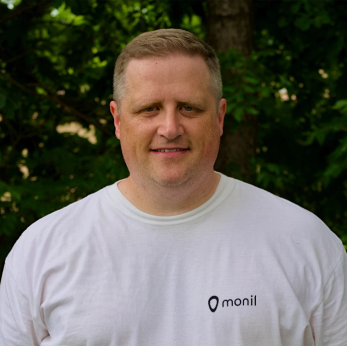 Jerry LaVoiUS Farmer Success Manager
Jerry was raised on a fourth-generation dairy farm in Minnesota and earned a bachelor’s degree in Animal Science from the University of Minnesota. He has built a career helping livestock producers adopt technology that improves productivity. Before joining Monil, Jerry served as a Product Manager at Valley Agricultural Software (VAS), a leading herd management agtech company. Today, he partners with ranchers to implement virtual fencing technology, helping them turn innovative technology into practical results.
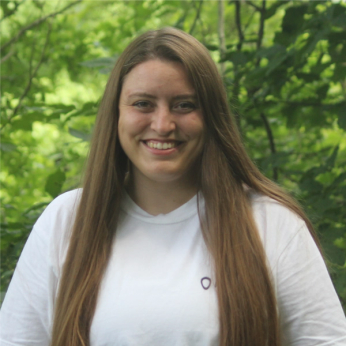 Elizabeth BergschneiderUS Farmer Success
Beth was born and raised in southeastern Missouri as the 6th generation on the family farm. She holds a bachelor's degree in Animal Science from Southeast Missouri State University and a master's degree in Animal Science with emphasis in Reproductive Biology from University of Illinois. Her experience spans from working on her family's cow-calf operation, to interning on a large scale feedlot, and studying tropical livestock production. She is now based on a family run grain and livestock operation in central Illinois, where she and her husband manage a commercial flock of hair sheep.
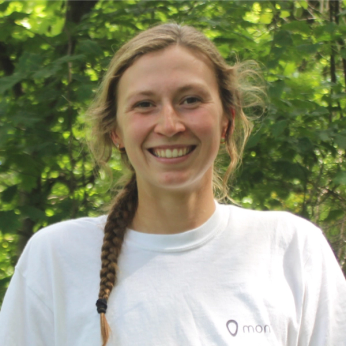 Olivia PachaUS Farmer Success
- Christoffer GrindheimProduct Manager
Marketing

Frequently Asked Questions
Every herd is different, but most cattle learn the audio cue within 3-7 days during the training period. Training starts inside a physical fence so cattle can safely learn the relationship between the sound and the grazing boundary.
The collar uses an audio cue first. If the animal continues moving beyond the boundary, a short electrical pulse follows. Over time, cattle typically learn to respond to the sound alone, with very few pulses needed.
Yes. The Monil app lets you see cattle locations, monitor activity, and receive alerts, helping you keep track of what is happening across the herd, even while away.
No. Monil uses existing cellular networks, so there are no towers or base stations to install before getting started. That means less setup and fewer things to manage.
The answer depends on the operation, but many producers are looking to reduce repetitive work like moving fence, checking boundaries, and making frequent pasture moves. For some, that means more time focused on herd health, pasture management, and planning the next move for the operation.
Physical fence still plays an important role around property lines, roads, and other high-risk areas. Virtual fencing adds flexibility inside those boundaries, making it easier to manage grazing areas and reduce internal fence work.
Building the future of grazing together.
Designed by engineers, built for producers.
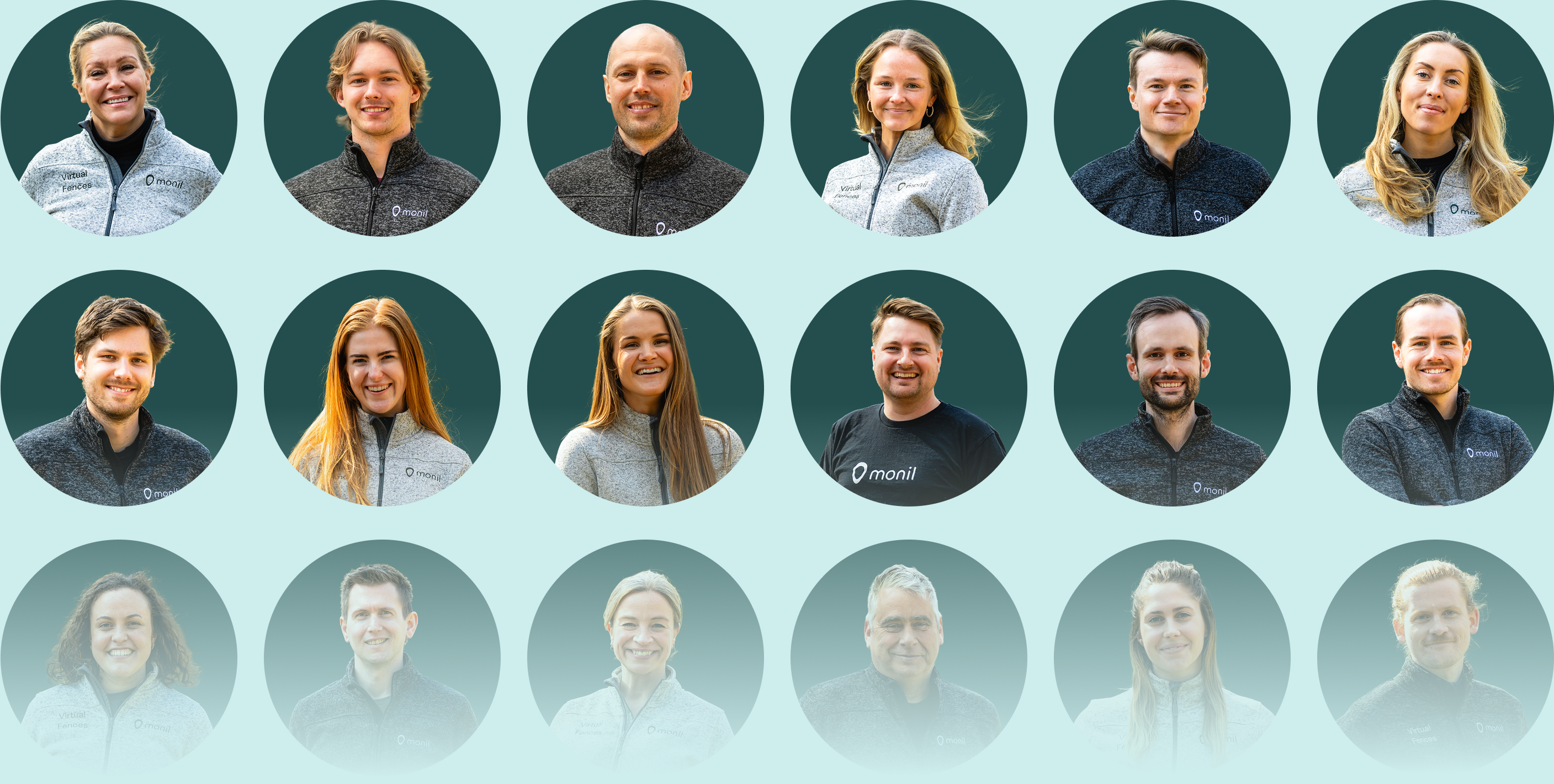
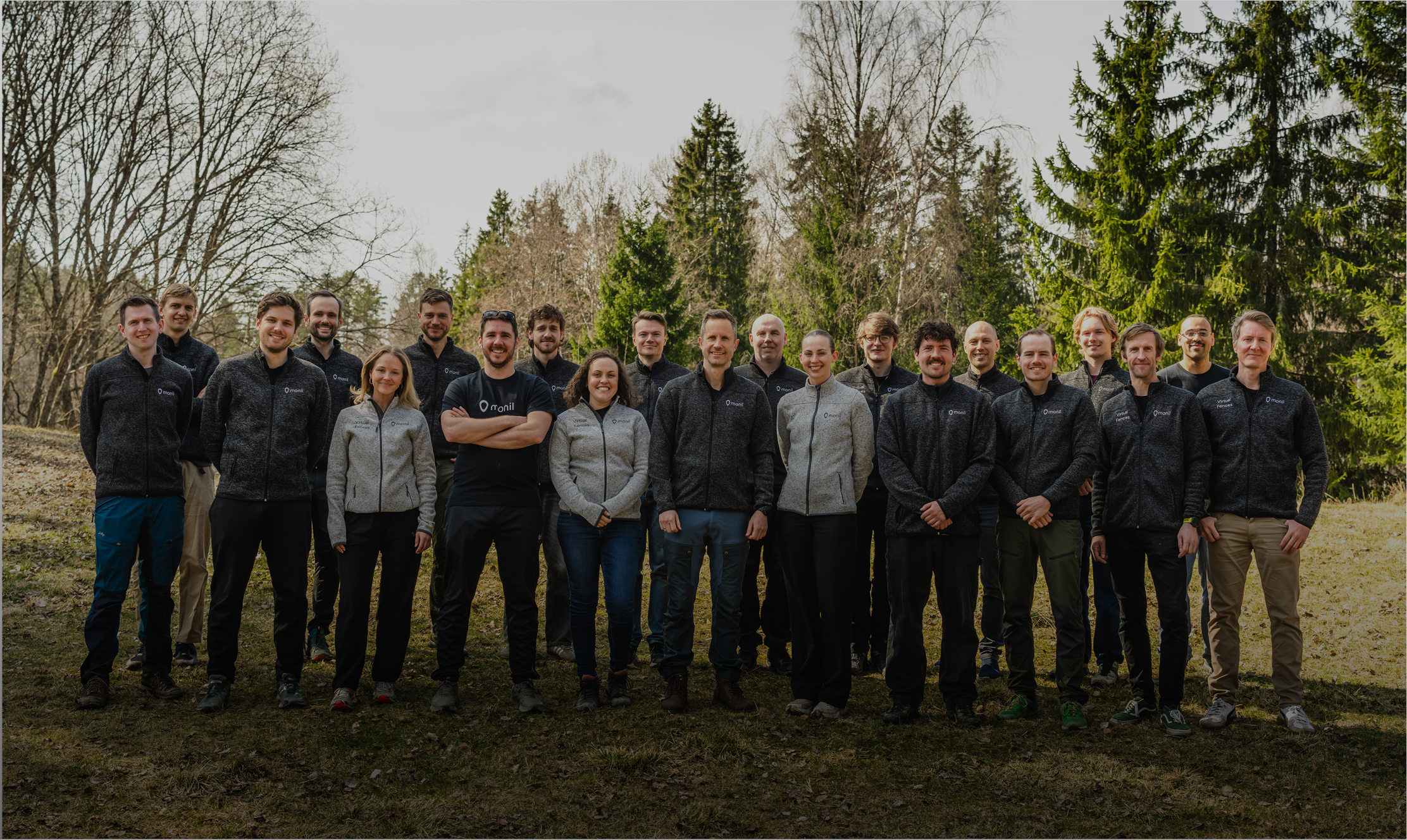
… and many more talented people across Norway, Sweden, the UK and the USA.
We're growing fast, and we're just getting started.