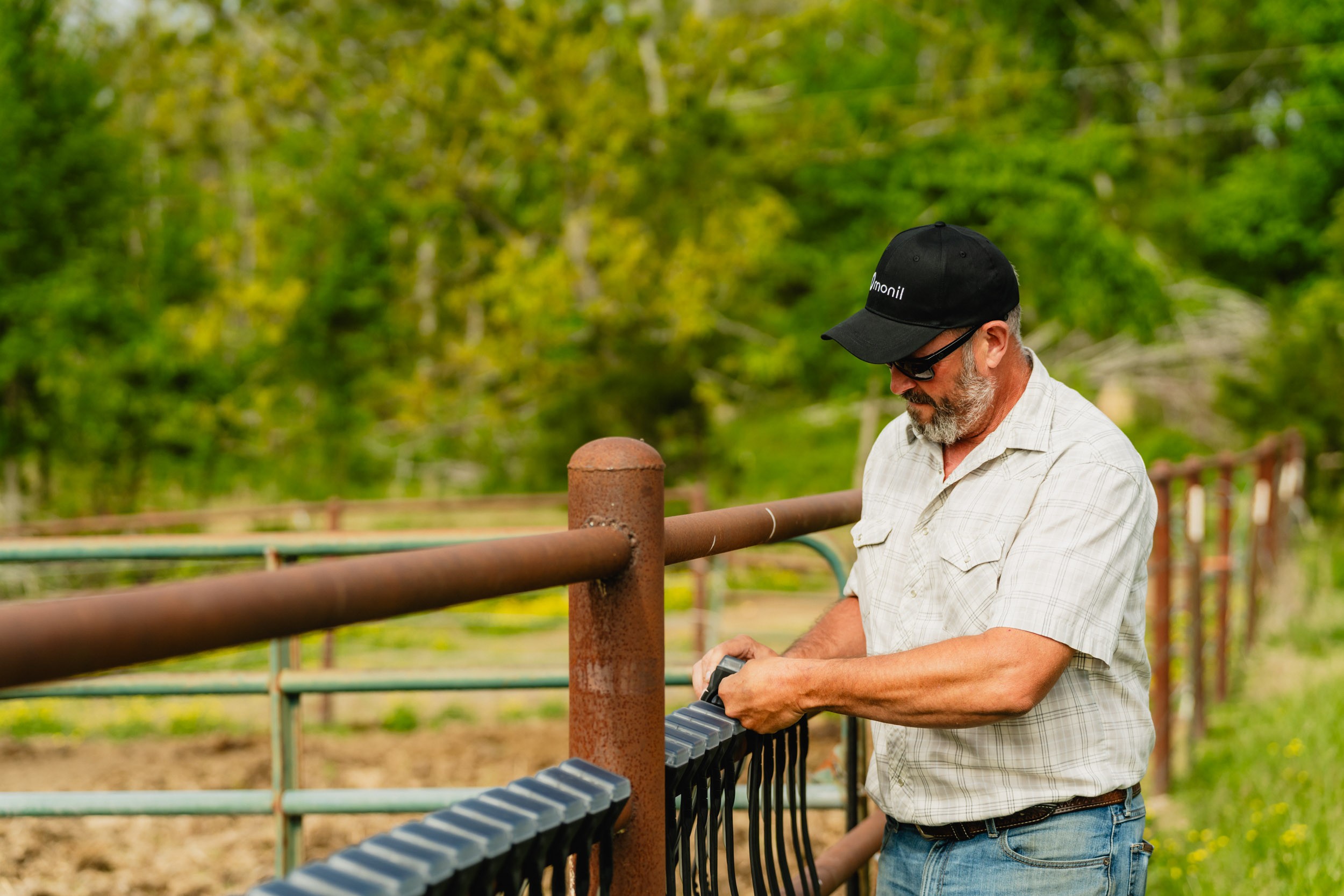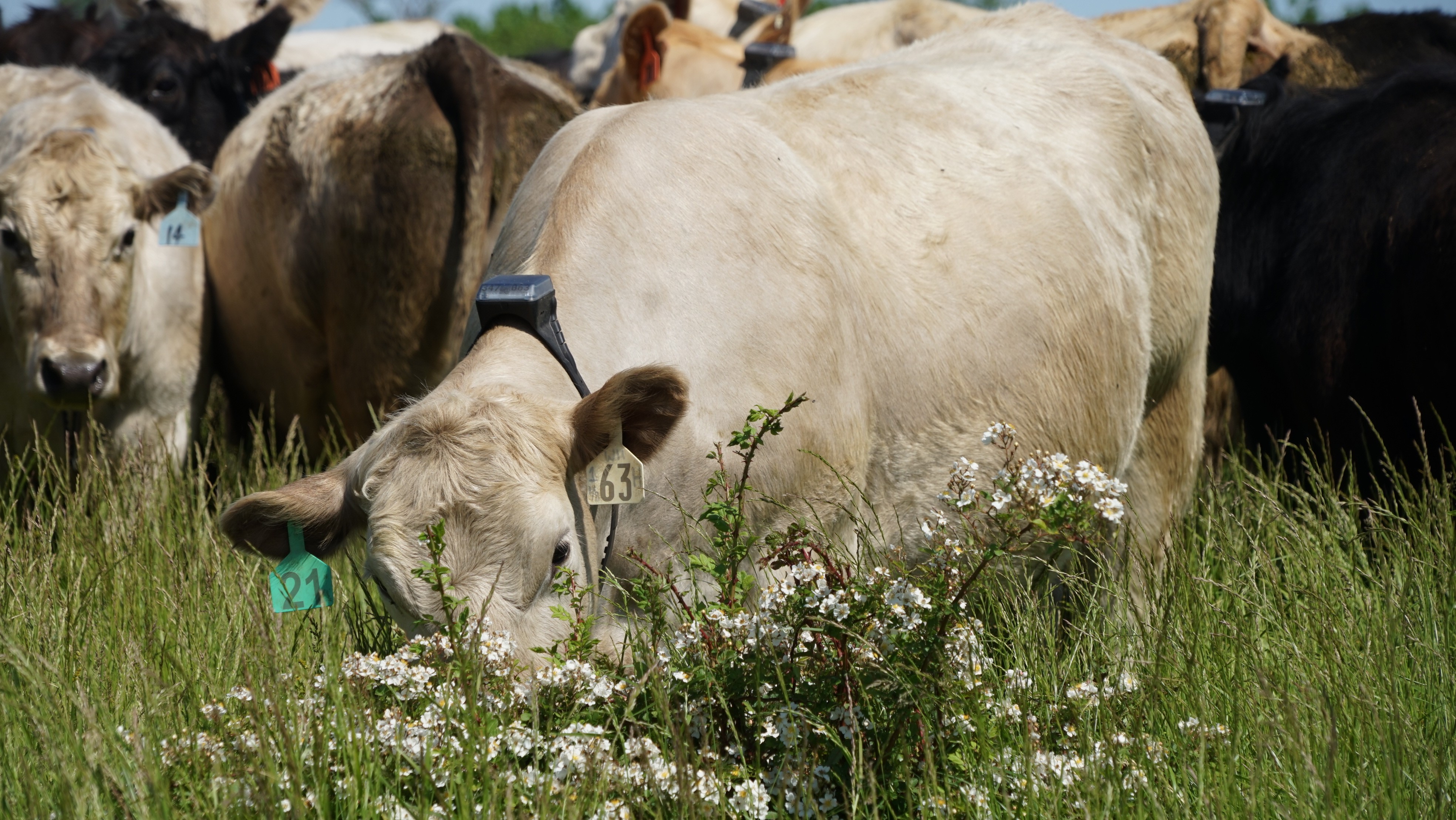
It’s a typical morning during grazing season. Before heading out, you pull up the Monil app and check the location of the herd. The cattle have worked through most of the strip you gave them yesterday. Instead of loading fence posts and polywire onto your ATV, you open the map, adjust the fence from your phone, and give your cattle access to fresh grass in a matter of seconds.
We know there are a hundred jobs competing for your attention. Our job with the Monil app is to make grazing management easier, so that you have time for everything else.
Here’s a closer look at how producers use it.
Moving cattle without moving fence
What you can do in the Monil app
- Create and adjust virtual fences
- Manage strip grazing from your phone
- Create exclusion zones inside pastures
- Mark water points
- Track bulls and individual animals
- Receive heat and activity alerts
- Monitor cattle locations
- Manage grazing in areas with limited connectivity
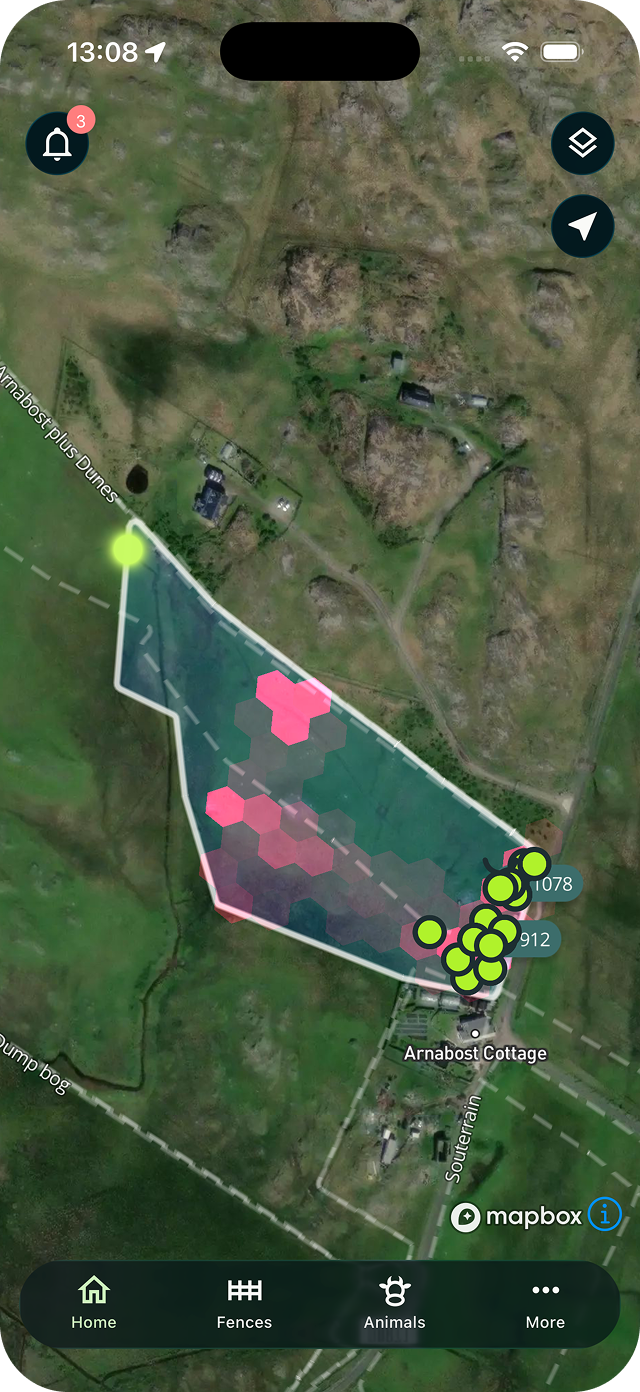
For most producers, the biggest change is how quickly they can adjust grazing areas. Creating a virtual fence starts with drawing it on the map in the app. The fence can be shaped around the way you actually want the cattle to use the pasture, rather than being limited to where posts and wires sit.
Once it is saved in the app, the collars receive the updated fence line and know where the cattle should be grazing.
This flexibility is especially useful if you practice strip grazing. Instead of moving temporary fence every few days, you can simply adjust the boundary in the app in seconds. You can also make copies of your fence layouts and reuse them later, rather than redrawing the same setup each time.
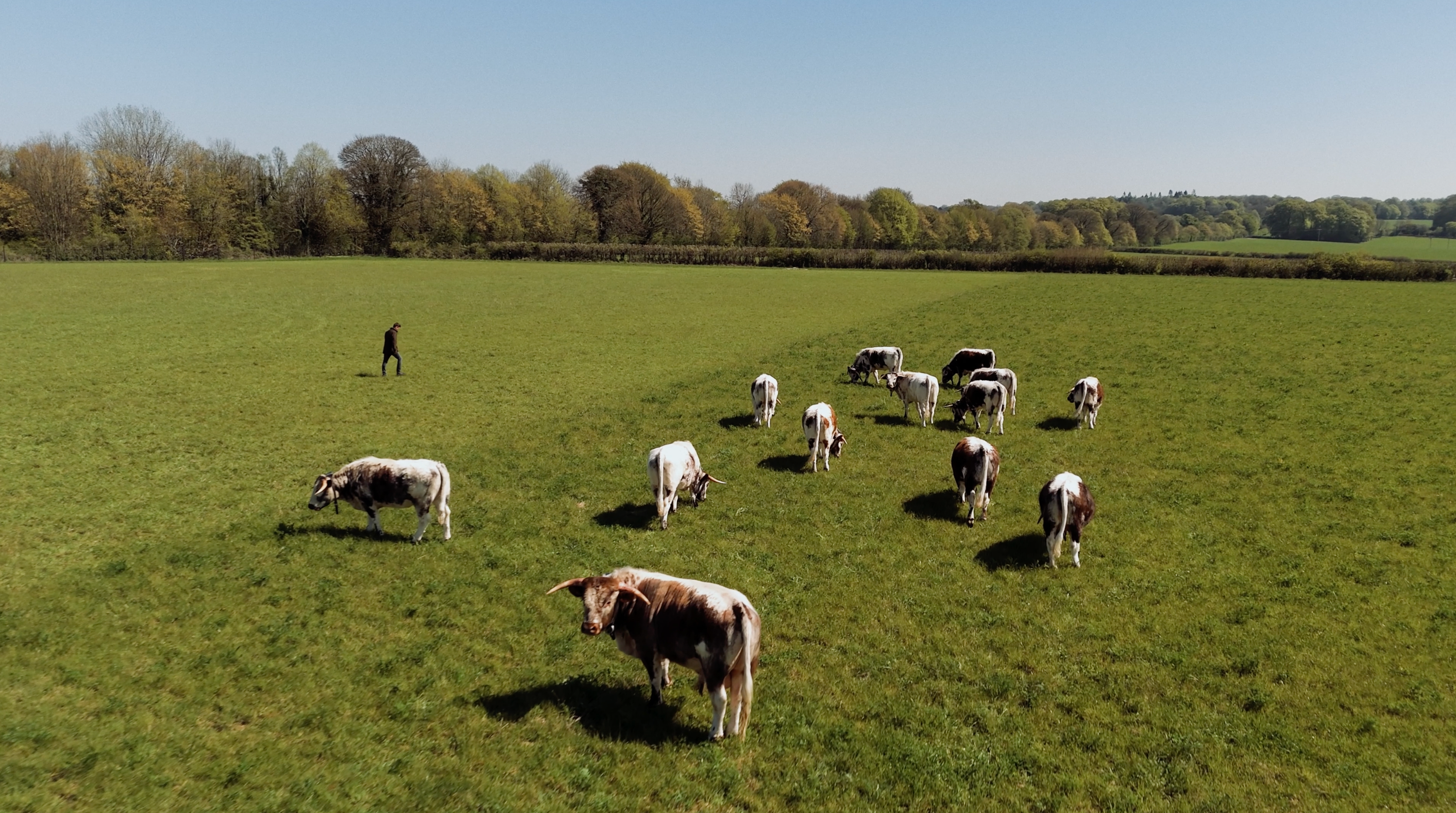
Keeping cattle out of the places you don’t want them to go
Most grazing plans involve more than keeping cattle inside a perimeter.
There might be a pond you want to protect or an area that isn’t safe for the animals. The app allows you to create exclusion zones inside a pasture. Cattle can graze the surrounding area while staying out of specific locations you want to avoid.
Producers use exclusion zones in all kinds of ways. Some use them to protect
waterways, ponds, and other sensitive areas. Others use them to keep cattle away from steep terrain, muddy ground after wet weather, or parts of the pasture they want to rest.
Instead of building physical fence around every no-go area, you can create those boundaries directly in the app and change them as often as you like.
Another set of eyes on the herd
Nobody can keep an eye on every animal 24/7, especially when they are spread across larger grazing areas. The collars continuously collect information about activity and behavior, helping producers spot issues that might otherwise go unnoticed.
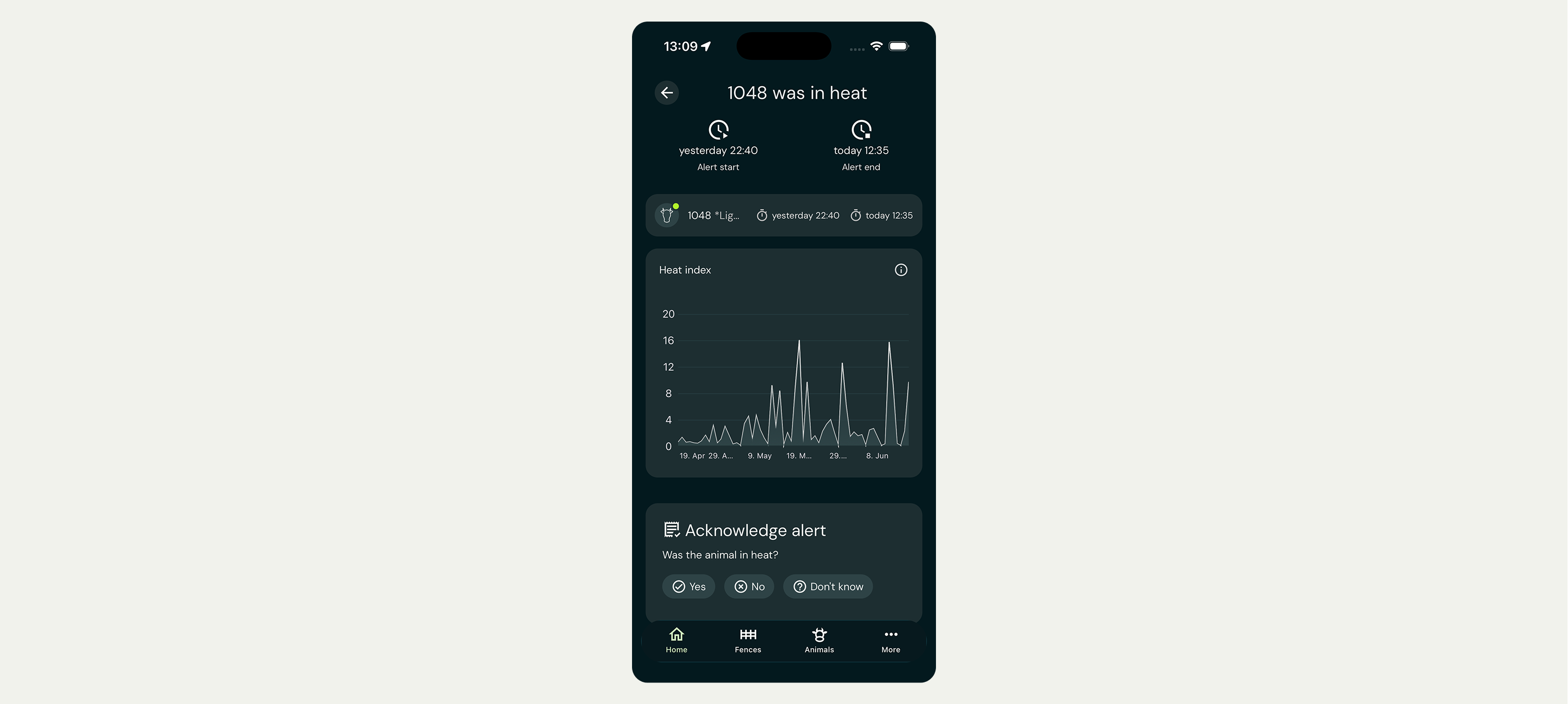
Heat detection: When the system detects that a cow is in heat, an alert appears in the app. Producers can use those alerts to know when a cow is cycling and make more informed breeding decisions.
Low activity levels: The system can also flag animals that are moving less than
expected, which may indicate that a cow is sick, injured, or not behaving normally.
Stuck or trapped animals: The app can also alert producers when an animal appears unable to move. Producers have used these alerts to find cattle caught in fences and stuck in boggy ground, for instance.
What happens when cellular coverage is limited?
Connectivity is one of the most common questions producers ask, especially if they have larger grazing areas.
The virtual fence continues to work even when a collar temporarily loses cellular coverage. Once a collar has received a fence from the app, it knows where that fence is and whether the animal is inside or outside of it.
What changes is communication with the app. Without coverage, a collar cannot receive updated fence information or report its location. Any fence changes will take effect once the animal moves back into an area with coverage.
This is why many producers plan grazing so that cattle periodically pass through areas with cellular coverage. For operations with patchy coverage, that typically provides enough flexibility to make virtual fencing work successfully across more land than many farmers expect.
An app with practical information to support better decisions
The value of the Monil app comes from helping producers understand what is
happening across the herd without having to be everywhere at once. You can check where cattle are, see how grazing patterns are changing, monitor breeding activity, and spot animals that may need attention.
Our goal is to make it easier for you to act sooner, adjust plans faster, and spend less time searching for information when there are other jobs waiting to get done.
Interested to hear if Monil is a fit for your operation?
Leave your details below and we’ll send you some information or give you a call back.