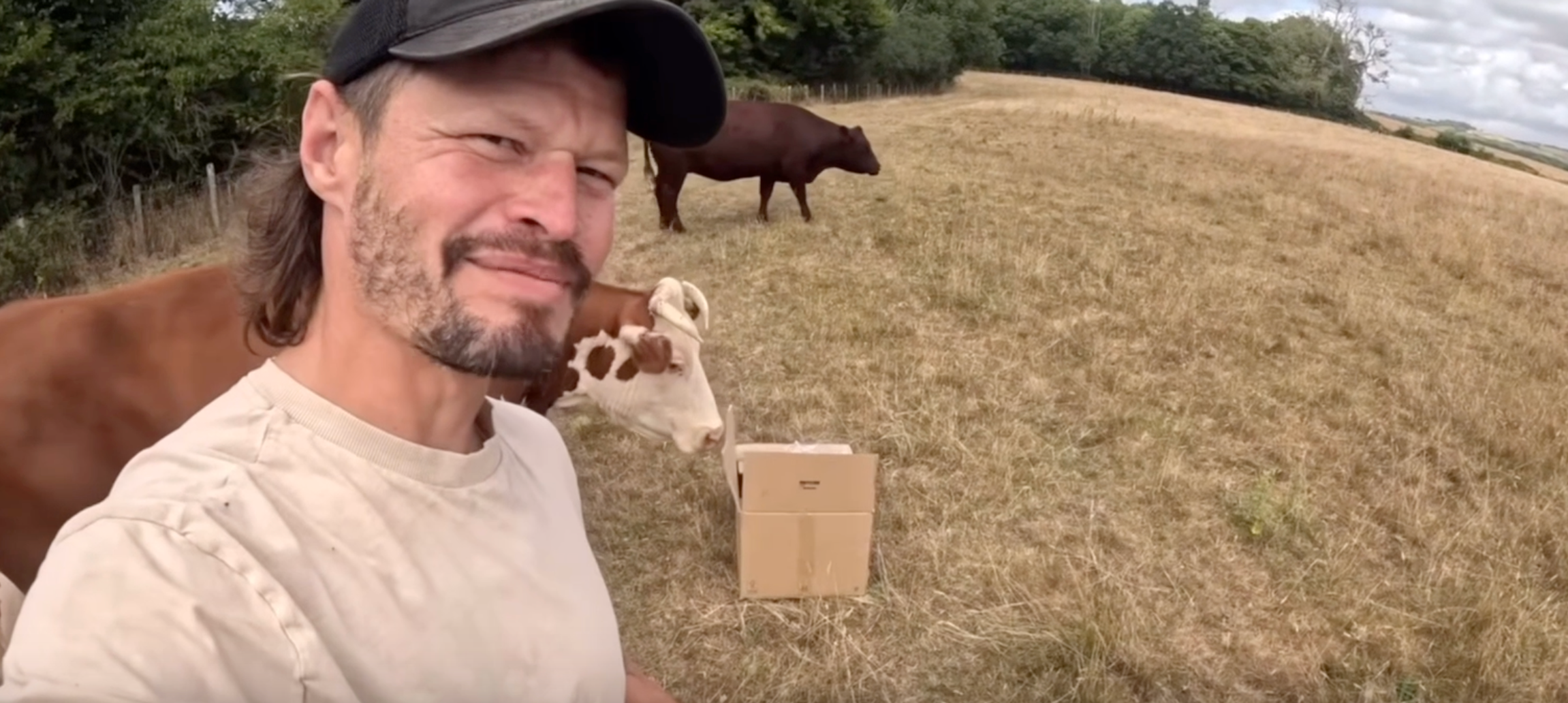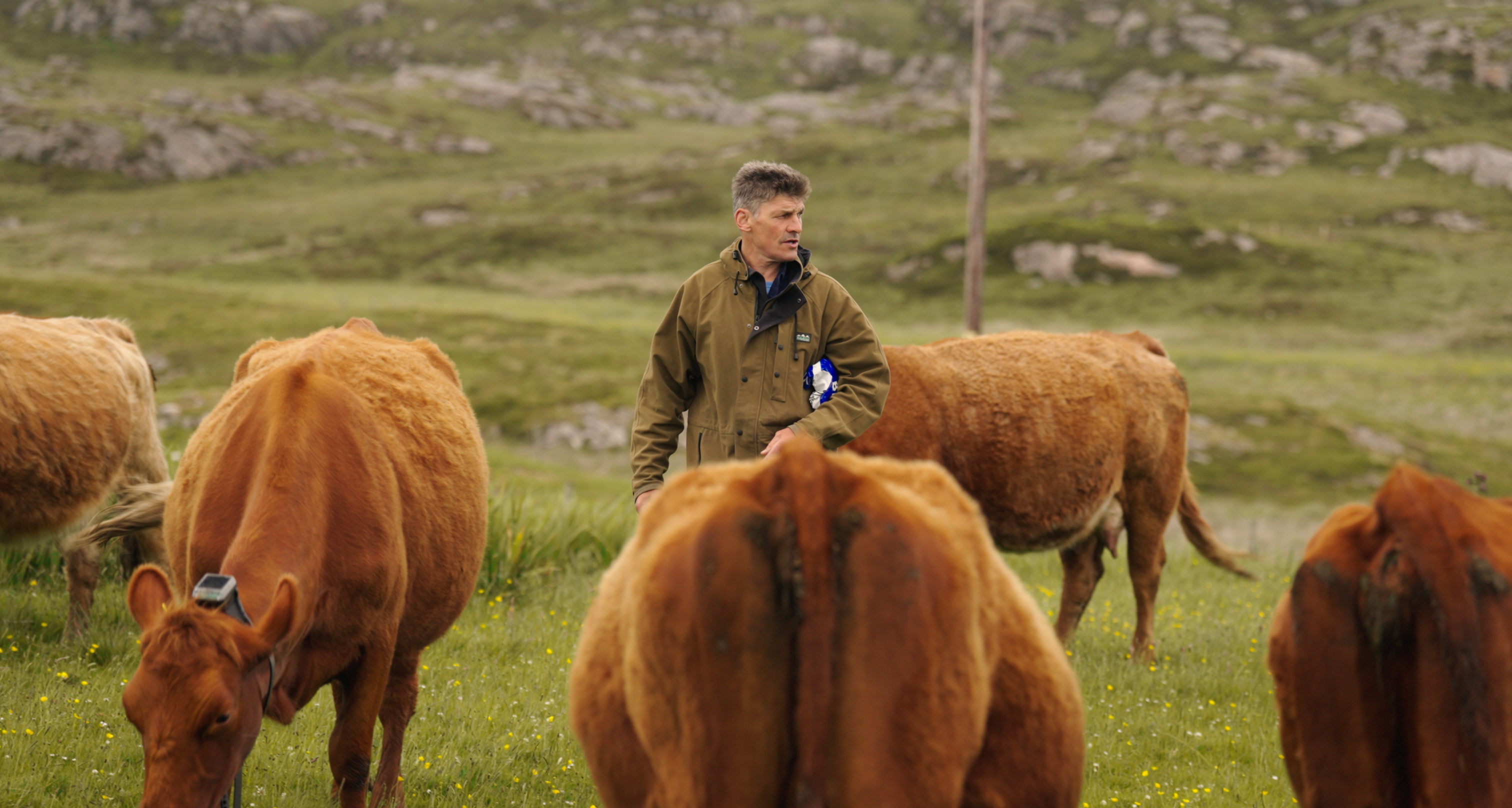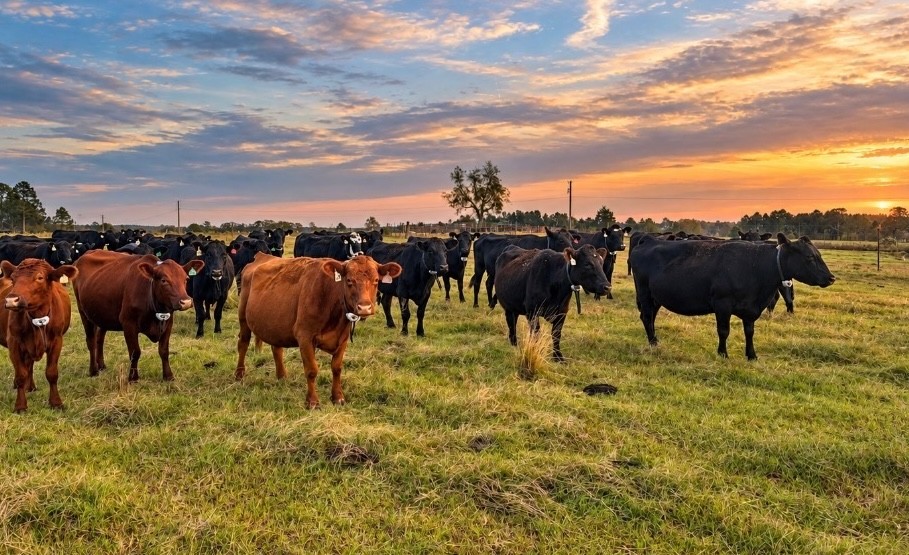

Double T Cattle Company started with just 12 cows and a bull. Nearly two decades later, the Thompson family's operation near Ashburn, Georgia, has grown to 150 brood cows, 300 acres of pasture and another 75 acres of hay ground.
For 19-year-old Wyatt Thompson, cattle have always been part of life. His dad started Double T Cattle Company with just 12 cows and a bull the year after Wyatt was born.
Eighteen years later, the operation has grown to around 300 acres of pasture and another 75 acres of hay ground. Today, his father handles the finances, his grandfather pitches in during hay season, and Wyatt takes care of the day-to-day work with the cattle.
But these days, Wyatt has another full-time responsibility: college. He's double majoring in agribusiness and livestock production and with classes taking up much of his week, he can't always be home to manage the cattle the way he wants to.
Rather than let his busy schedule limit what he could do on the farm, Wyatt started looking for new ways to manage the operation.
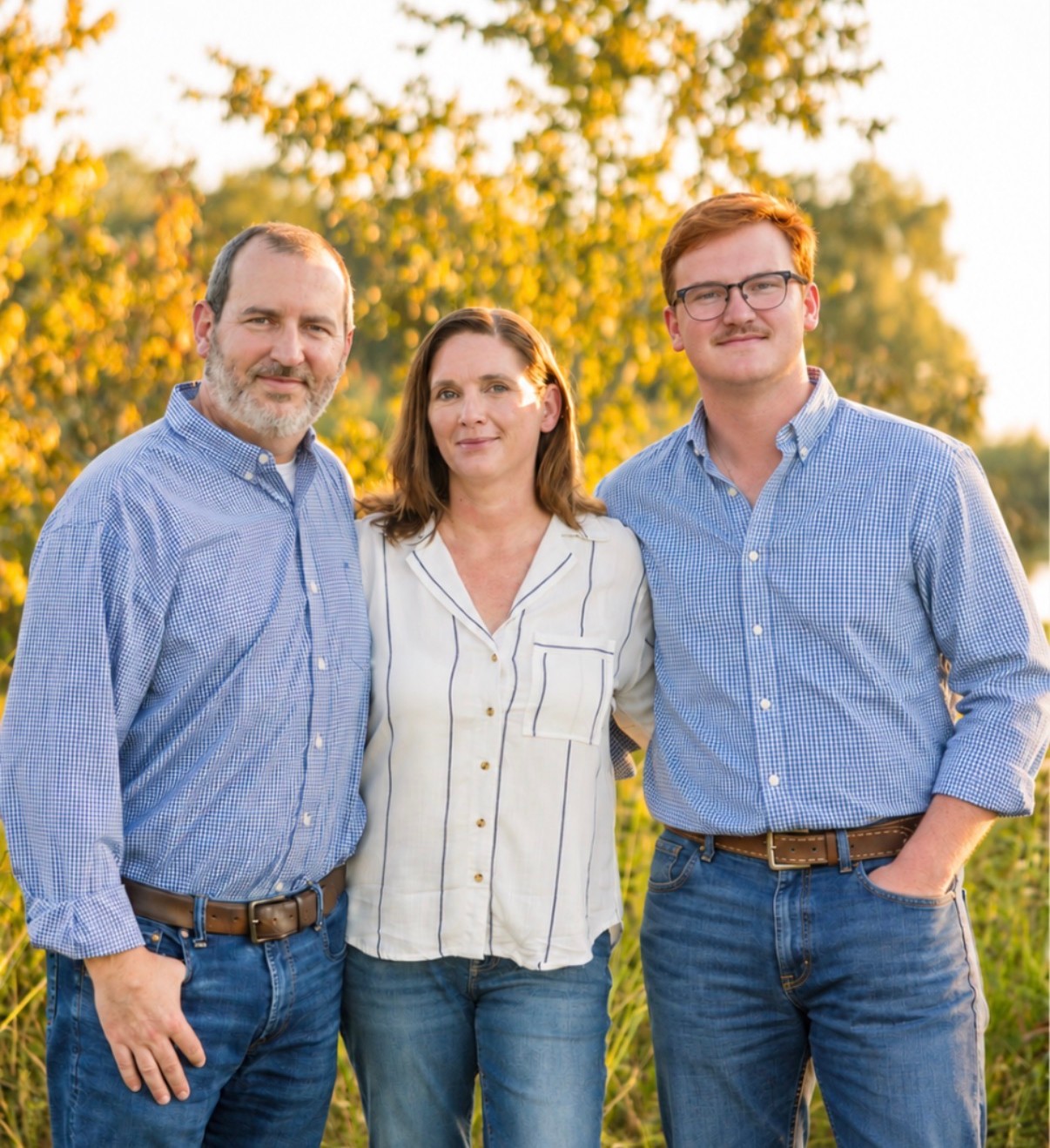
"I'm looking for new technologies all the time. I believe that the livestock industry has been a little behind on introducing new technologies," he says.
A new way to keep rotational grazing going
The Thompsons started rotational grazing in 2019, dividing their Bermuda grass pastures with polywire and moving cattle between paddocks by hand. Back in high school, Wyatt had more time to get out and move fences. But once he started at college, keeping up with the grazing schedule became a challenge.
“We really had to back off on how much we were rotationally grazing,” he explains.
Then, during an Elite Stockman Program at a local university, Wyatt heard a specialist speak about virtual fencing. He’d come across the idea before, but this was the first time he’d seen what the technology could make possible for his operation.
“I was hooked from the beginning,” Wyatt recalls.
Wyatt researched several virtual fencing providers before landing on Monil. The collar design appealed to him, but the support he received from the Monil team ultimately won him over.
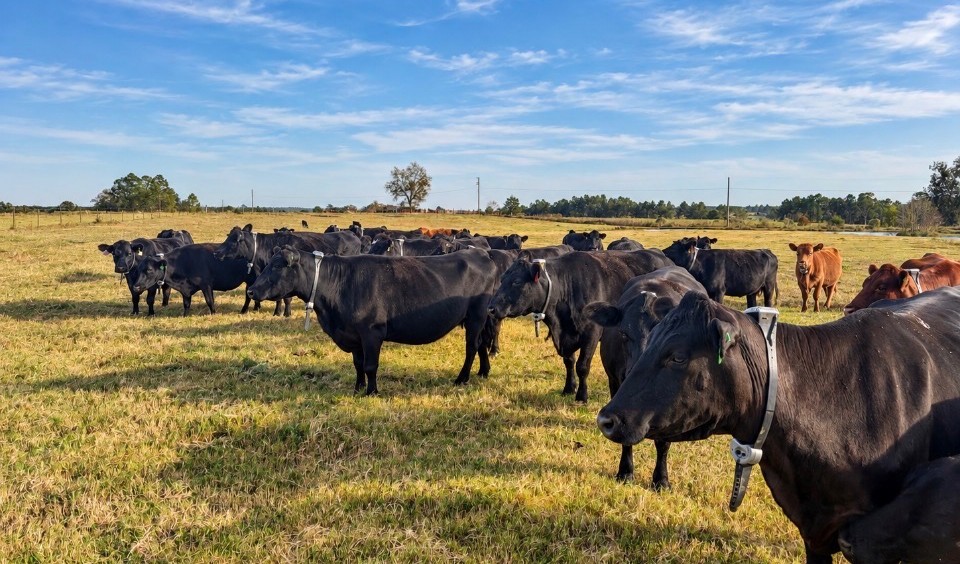
Today, 60 of the family’s cows wear Monil collars, and Wyatt can manage their grazing right from the classroom. Using the app, he divides up the pasture into roughly three-acre paddocks and moves the herd to fresh grass every day.
“It’s really changed our operation,” he says. “Being able to be across the state and still be able to manage that forage in this way is amazing.”
Getting more grazing out of the land
Being able to manage grazing more closely could also help the Thompsons stretch their grazing season and reduce feed costs.
This fall, Wyatt expects to have enough grass to keep the cattle grazing for another four to six weeks into the usual hay-feeding season, potentially saving the family money on hay.
And the benefits go beyond grazing. The time he previously spent moving polywire can now go toward maintaining equipment, improving infrastructure, and paying closer attention to the herd.
“I’ve been impressed by how quickly the cattle adapted to virtual fencing. After about a week and a half of training, they were respecting the boundaries, even when minerals or a creep feeder tempted them from the neighboring paddock,” says Wyatt.
He’s now exploring Monil’s heat detection feature, comparing notifications with pregnancy-check results to see how the information might help with breeding management.
Growing the family operation
Wyatt has no shortage of plans for Double T Cattle. Much of their pasture is leased and scattered across multiple locations, making it time-consuming to manage herds. He hopes to eventually put collars on all 150 cows. He’s also considering combining two herds currently on opposite sides of the road to create a larger rotational grazing system.
In the longer term, Wyatt dreams of buying some of the land they currently lease and perhaps even building his own home on the farm. He also hopes to encourage other cattle producers to explore new technology to see what it could mean for their operations.
For Wyatt, virtual fencing isn't about doing less with the cattle. It's about having more flexibility to manage the operation and keep building toward the future he wants for his family farm.
“I want to be able to show other producers that this isn’t something we should be scared of. This is something that could help us save time and money,” he says.
See what virtual fencing could do for your farm
From making better use of your pastures to spending less time moving fences, Monil gives you more flexibility to manage your land and cattle. Tell us a little about your operation, and our U.S. team will help you explore what's possible.