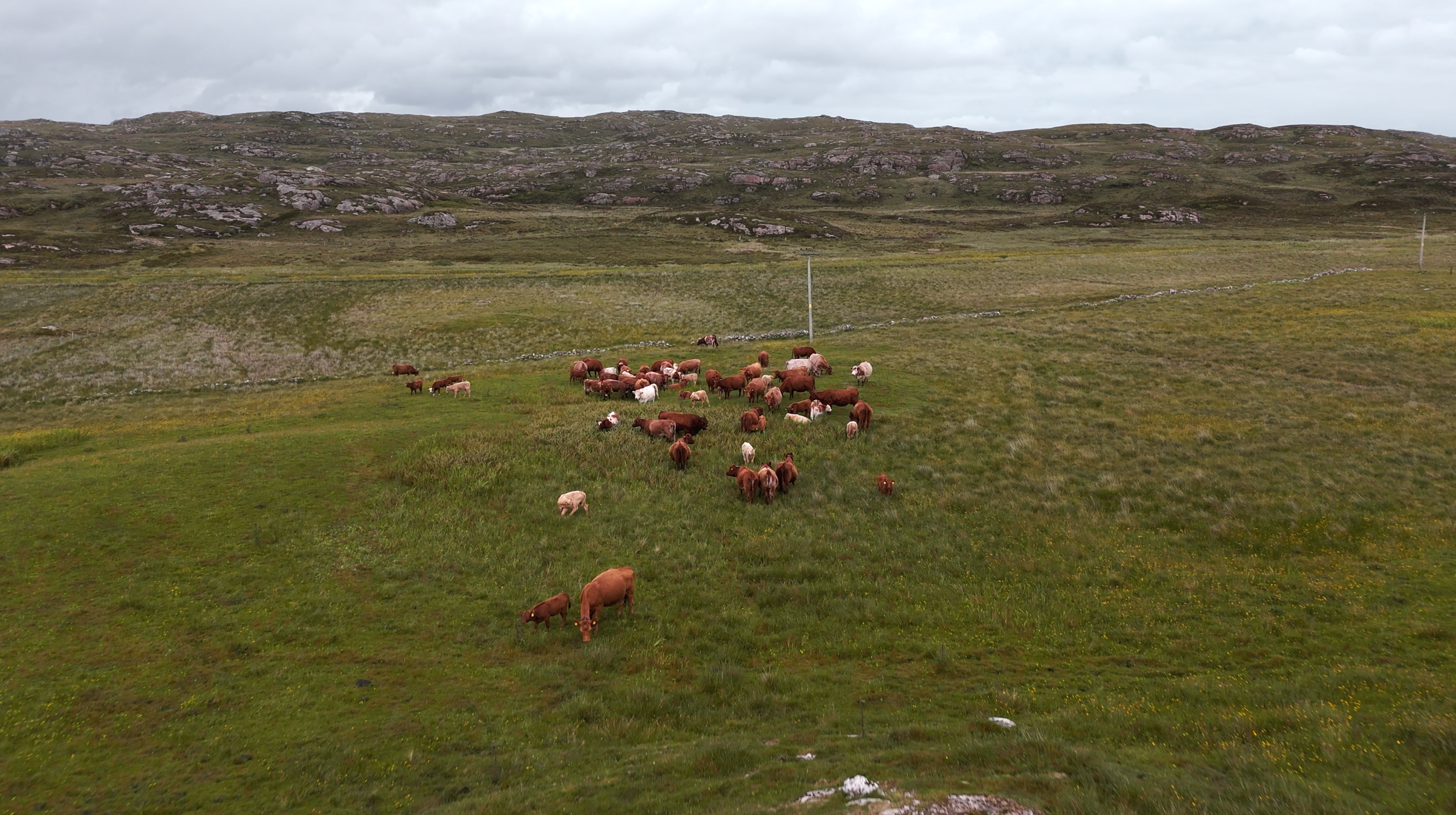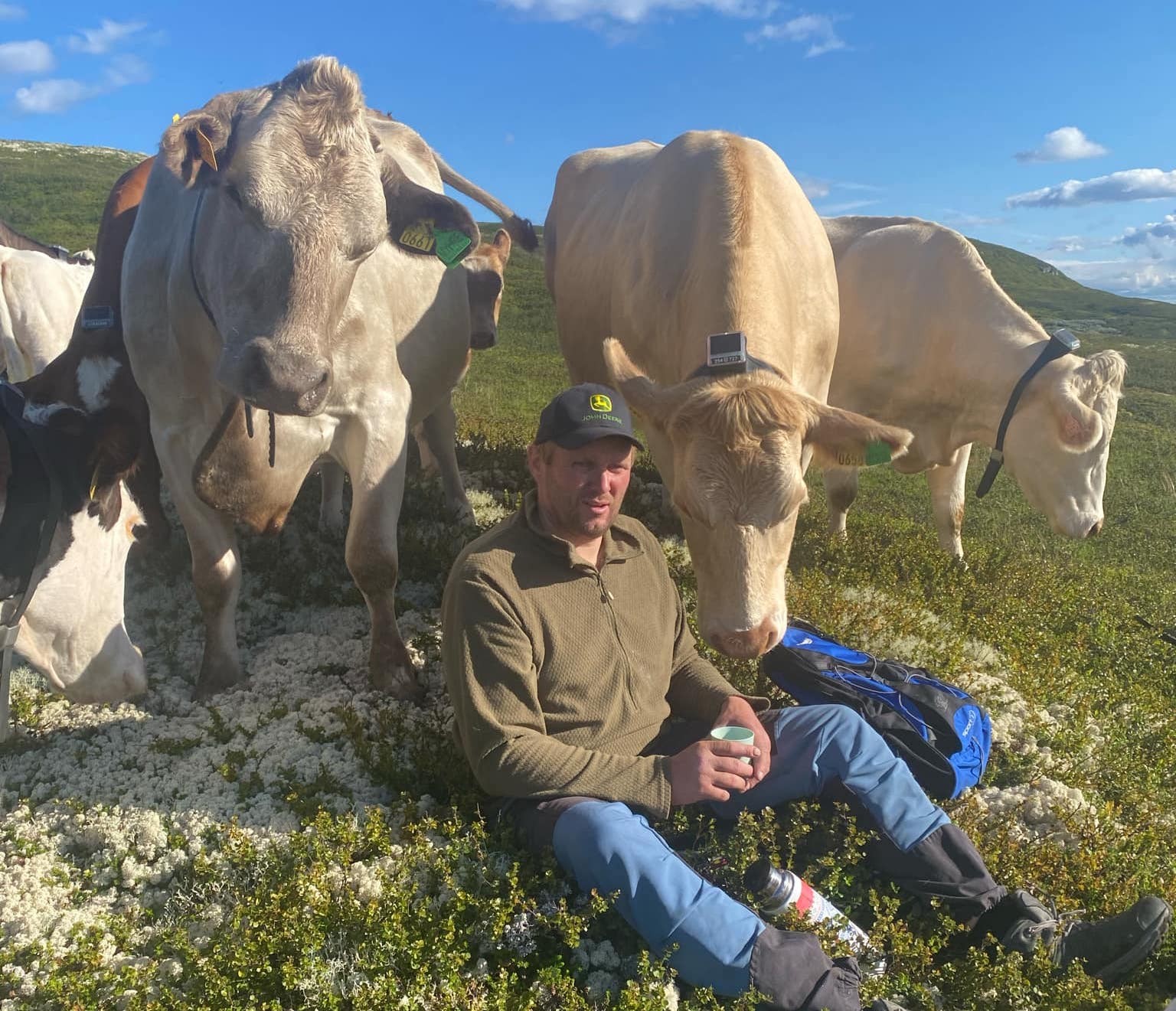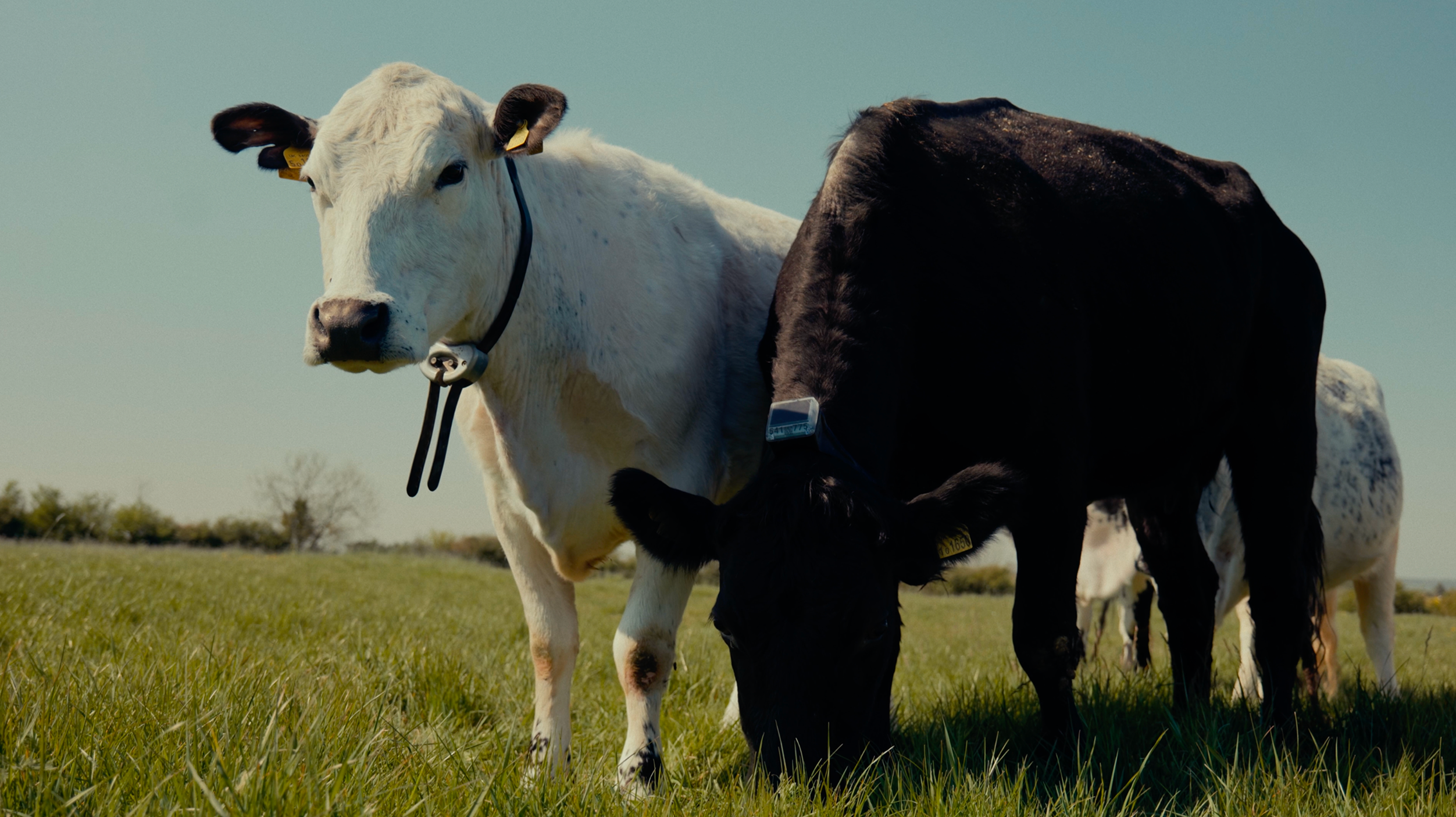

Since 2022, farmers across the country have placed their trust in Monil. We started out with cattle collars in Norway and took the technology out onto pastures far beyond the country’s borders.
But our roots are Norwegian, and we’re proud of that. Norwegian weather, hilly terrain and Norwegian farmers have all played a part in making Monil what it is today.
And the figures speak for themselves:
- 80,000+ collars sold globally
- 3,000+ Monil farmers
- 100 million+ grazing hours
- 9 out of 10 farmers would recommend Monil to others
- Every other farmer buys more collars
But perhaps the most interesting thing is what lies ahead.
The collar you have, but better
A collar shouldn’t just last for many years. It should also be able to improve over time.
This year alone, features such as heat detection, shared access to an organisation, animal grouping, individual notes, exclusion zones and markers for water sources have been added to collars that are already in use.
New features are automatically sent to the collars via mobile network. This means the collar can be updated and improved without needing to be replaced.
A lot has been added, and more is on the way. Here are some of the highlights leading up to the 2027 grazing season.
Calving detection
In early October, calving alerts will be sent to cattle collars that are already in use.
Just before calving, the cow often withdraws from the rest of the herd. For animals marked as in-calf, the tag can detect changes in their movement patterns and send you an alert.
Better tools for managed grazing
Together with farmers, we are developing better tools for managed grazing. This will make it easier to move the animals to where the grass is best, whilst giving you a better overview of how the grazing area is used throughout the season.
Maps, statistics and grazing reports make it easier to spot patterns and track developments over time.
The collars are starting to communicate with each other
This spring, collar-to-collar communication will be introduced. This means that an animal outside mobile coverage can send and receive information via other collars that are connected to the network.
This means you won’t lose contact with an animal simply because it’s in an area without mobile coverage. The herd stays connected digitally even where coverage doesn’t.
Ready for satellite
Whilst herd-to-herd communication helps when individual animals are out of coverage, satellite technology may be the solution in areas without any mobile signal.
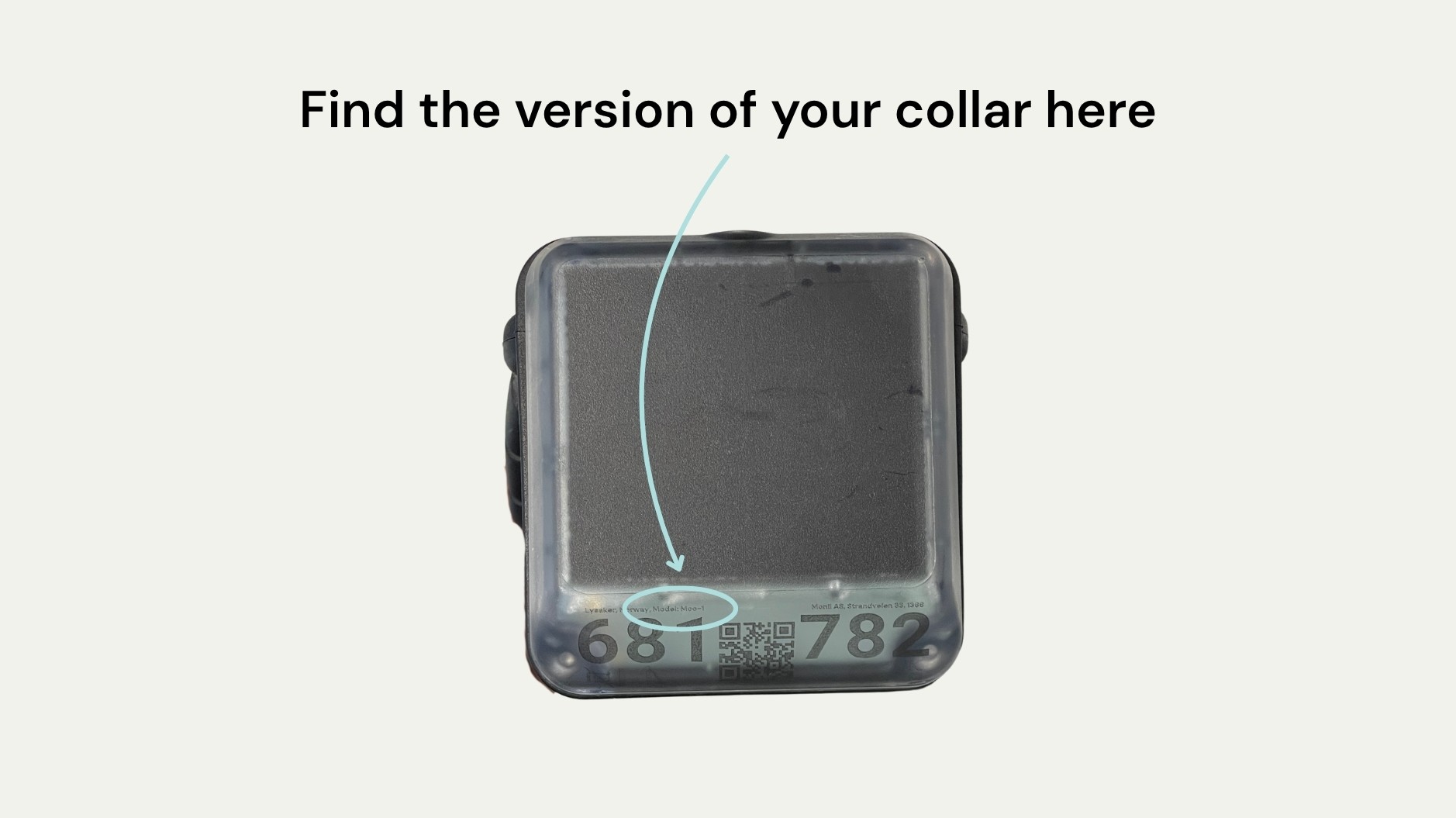
The hardware is already built into the Moo-2 collars. We’re now working on making this functionality available. Older collars do not have hardware that supports satellite communication. If you’re unsure which version you have, check the front of the collar
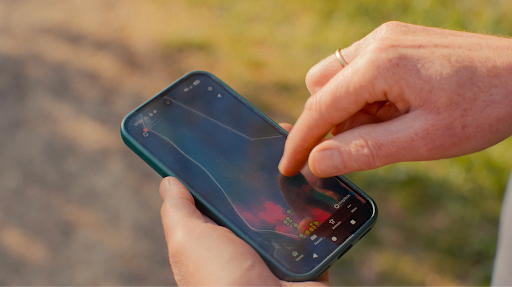
Developed together with the farmers who use it
Most of this year’s new features began as feedback and requests from farmers.
Heat detection was introduced because farmers requested it, and because the collar was already collecting the data needed to detect the changes.
Shared access was developed because farmers and herding groups with animals on shared outfield pastures often need to monitor the same animals during both supervision and round-up.
The collar extender was introduced following feedback from farmers with larger animals – such as bulls.
The app now also features additional markers, allowing water sources, hazardous areas and other points in the terrain to be marked, excluded or shared with the rest of the team.
This is how we have developed the product in collaboration with the farmers and we intend to continue doing so.
Now with a 10-year warranty
The collars are designed to be used season after season. They must withstand heavy use, extreme weather and a fair bit of wear and tear.
That’s why we’re extending the warranty once again. This time to 10 years.
The warranty applies to all collars delivered from 1 September 2026.
“We have a very robust product, but we know that a long warranty is important. In 2024, we extended it from two to five years, and now we’re extending it again to 10 years. This is another step in the right direction towards an optimal and safe product for the farmer,” says Torstein Nesse, managing director at Monil.
All the design choices we’ve made are about ensuring the collar can withstand a knock without getting in the animal’s way. The solar cell, for example, is well protected beneath a polycarbonate shield on top of the collar, where it receives the best possible light exposure whilst suffering the least possible impact.
This is just the beginning
Monil started out as a virtual fence. But the collar can tell you far more than just where the boundary lies. Our aim is to be a partner that gives you real insight into how your animals are doing.
The path to achieving this largely runs through the collar you already have. New features will be rolled out as they become available, whilst the hardware is built with future solutions and functionality in mind.
As always, many of the best ideas come from farmers who tell us what they need.
Do get in touch to find out more about the collar or ask us any questions you may have.
Do you have a good idea or a problem you need solving? We’d be happy to have a chat about that too.
Order the collar here →
Want to stay updated? Sign up for our newsletter: