Ask just about any cattle producer what they wish they had more of, and the answer you’ll most likely get is “time”. Time to focus on herd health instead of moving fence. Time away from the farm without worrying about the cattle. Time to think ahead rather than just trying to keep up.
No matter whether we’re talking with farmers in Missouri, Kansas, or Nebraska, the same thing keeps coming up: there is never enough time in the day.
For operations already practicing rotational grazing, virtual fencing can significantly reduce the labor that comes with frequent pasture moves. For those who want to graze more strategically, it can make rotational grazing feel like a real option for once. Others are asking for better visibility into the herd, easier access to hard-to-fence areas, or simply a way to spend less time building and mending fence.
But the big question for nearly all cattle producers is whether virtual fencing actually works in practice?
This guide will walk you through what virtual fencing is, how it works, where it fits into a cow-calf operation, and what makes Monil’s solution different from others.
In this guide:
- What virtual fencing is and how it works
- Virtual fencing versus traditional fencing
- Benefits for cattle operations
- Where virtual fencing works best
- What makes Monil different
What is virtual fencing and how does it work?
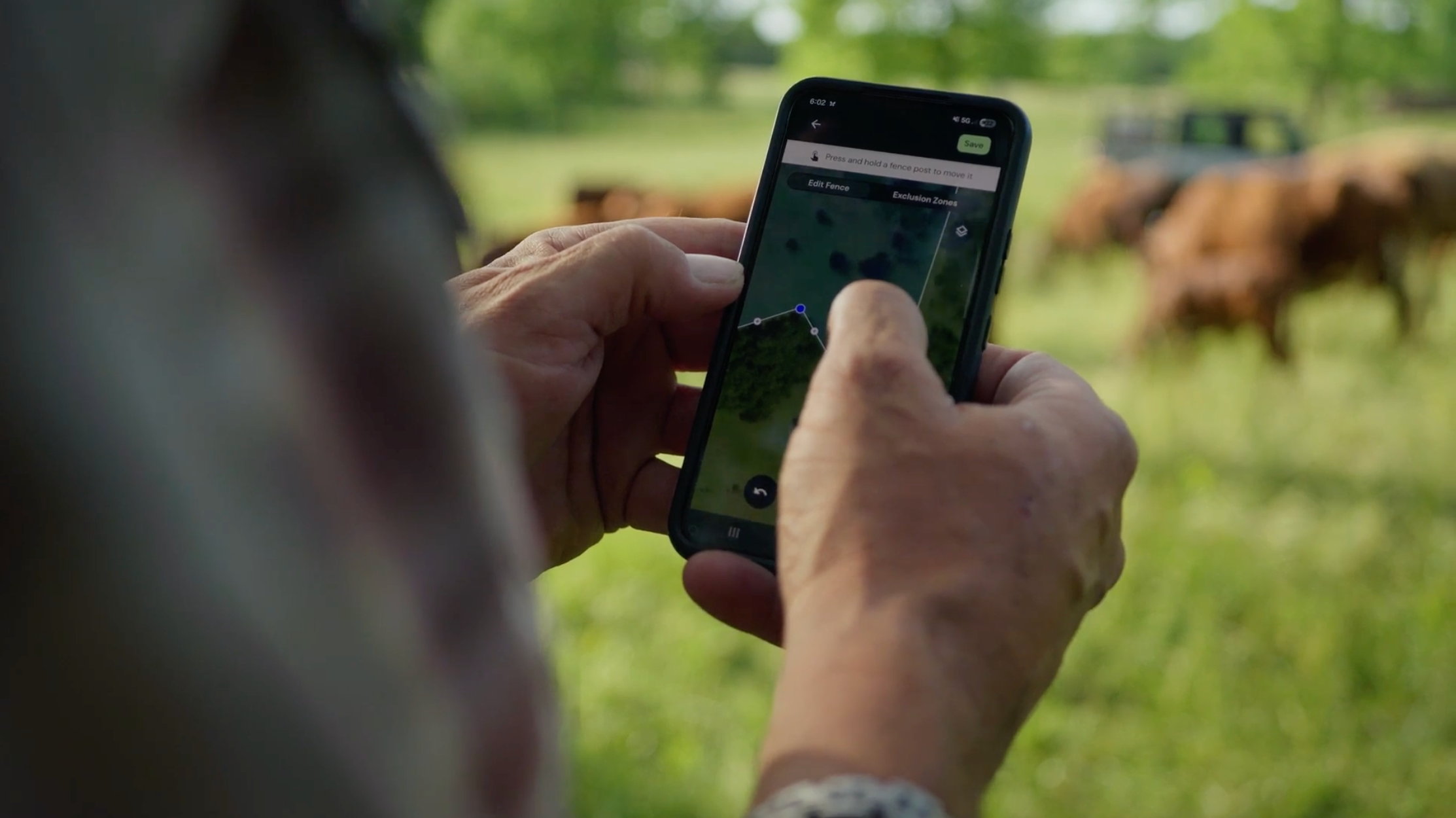
Virtual fencing allows cattle operations to create pasture boundaries digitally instead of relying on posts, wire, and physical fence lines. The system works through collars worn by cattle and an app used by the producer. Instead of building a new fence, you draw a grazing area in the app.
When a cow crosses the digital boundary, the collar gives an audio signal. If she continues moving forward, a short electrical pulse follows. Over time, the cattle learn the relationship between the sound and the boundary, turning back when they hear the sound alone, with very few pulses required after the training period.
A typical day with virtual fencing
Let’s say you have a group of cows grazing in a pasture in Missouri. Instead of heading out to move temporary fence before breakfast, you open the app to adjust the grazing area. The updated boundary is sent to the collars, and the cattle continue grazing within the area you just defined.
Some cows learn quickly whereas others like to test boundaries. Like any herd, there are always a few different personalities in the mix.
The overall process is pretty straightforward:
- Cow reaches boundary
- Collar emits an audio cue
- Cow turns back
- Grazing continues
If the cow ignores the sound and continues across the boundary, a short electrical pulse follows.
Less fence work, more farm management
Virtual fencing doesn’t change the fact that good cattle management matters. You still need to understand your cattle, plan water access, make good grazing decisions, and spend time observing your herd.
What changes is how much repetitive fence work sits between you and those decisions. One producer described it as creating more “CEO time” and less “farmhand time”, meaning fewer hours spent moving fence and more time focused on things that can make a big difference for the operation.
Virtual fencing versus traditional fencing
Traditional fencing and virtual fencing can work together. Physical fence still plays an important role around property lines, roads, and other high-risk areas. Virtual fencing adds flexibility within those boundaries, making it easier to adjust grazing areas, manage pasture moves, and reduce the amount of internal fence work required.
Traditional fencing
- Requires posts and wire
- Manual moves and repairs
- Fixed layout
- Visual barrier
- Escapes can affect entire herd
- Limited visibility into herd activity
Virtual fencing
- Boundaries adjusted in app
- Adjust from phone
- Flexible layout
- Learned audio boundary
- Escapes typically limited to individual animals
- Real-time location and alerts
For cow-calf operations, perimeter fencing remains important because calves generally do not wear collars before weaning age.
Benefits of virtual fencing for cattle producers
Many of the cattle farmers we meet are looking for practical improvements, not another gadget to learn. They want a better way to manage the operation they already know well. For most, the decision to implement virtual fencing comes down to three practical benefits:
More flexibility
Boundaries can be moved from the app, allowing you to adjust grazing plans without needing to head out and move physical fence.
Less fence work
Whether practicing rotational grazing or simply making frequent pasture moves, virtual fencing can reduce the repetitive labor involved in moving, fixing, and checking fence lines.
More control over where cattle graze
You can guide cattle more intentionally across the pasture, making better use of available grass, protecting areas that need recovery, and supporting healthier pasture over time.
What makes Monil different?
If you’ve looked at virtual fencing before, a lot of systems can start to look the same. A collar is a collar until you assess how it performs in day-to-day use.
Monil was built around an idea that goes beyond simply containing the animals. Our goal is to help producers get more value from the pasture, keep a closer eye on the herd, and spend a lot less time guessing.
There are four key differences with Monil’s solution:
1. Simple set-up
Monil is built to be simple. There are no base stations or towers to install, so you can get started using the cellular coverage already available on your land. The collars are made to be mounted by the farmer, and once they are fitted, grazing areas can be created and adjusted directly in the app. If questions come up along the way, the Monil team is there to help you get comfortable with the system.
2. Top-mounted collar design
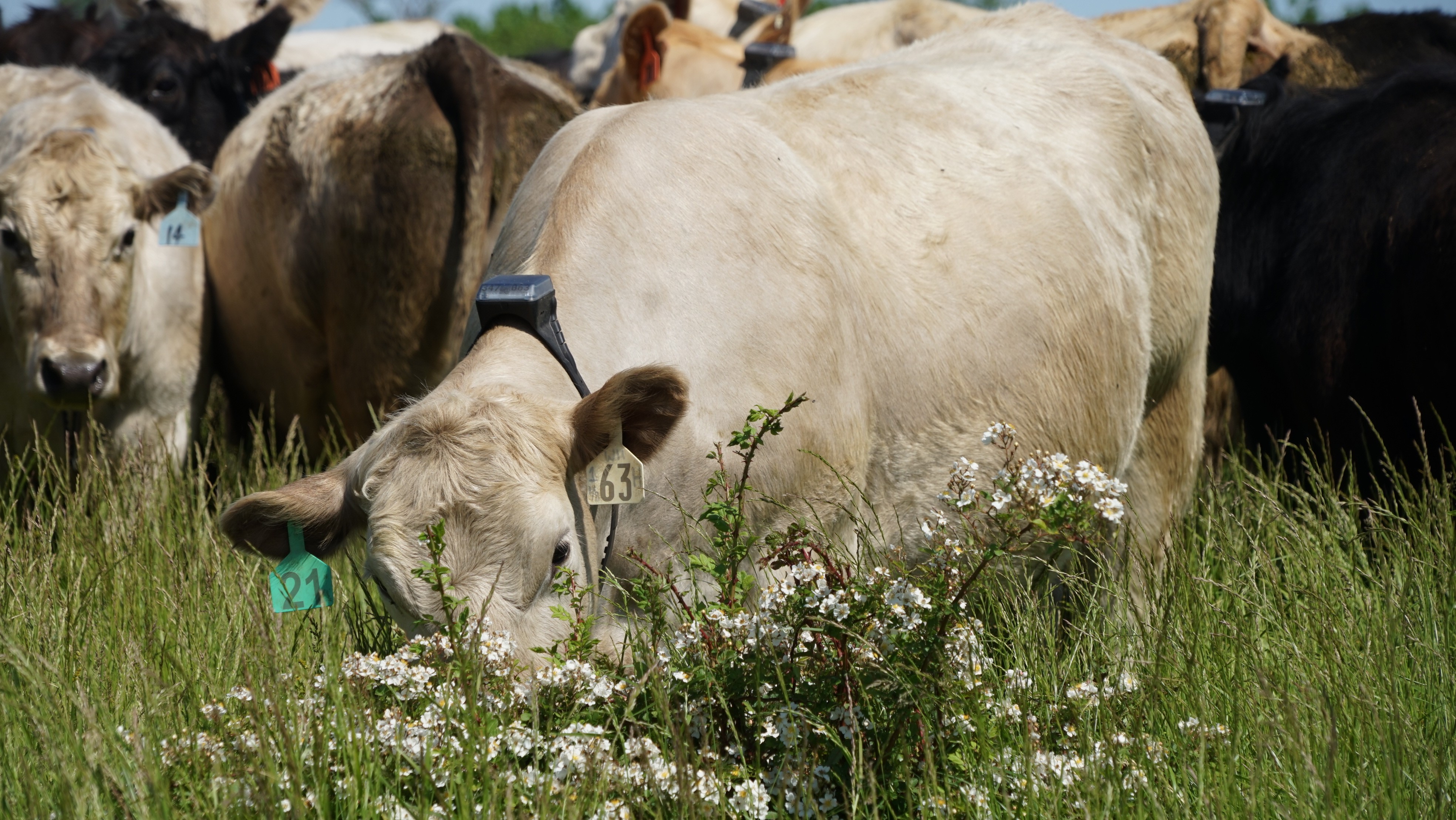
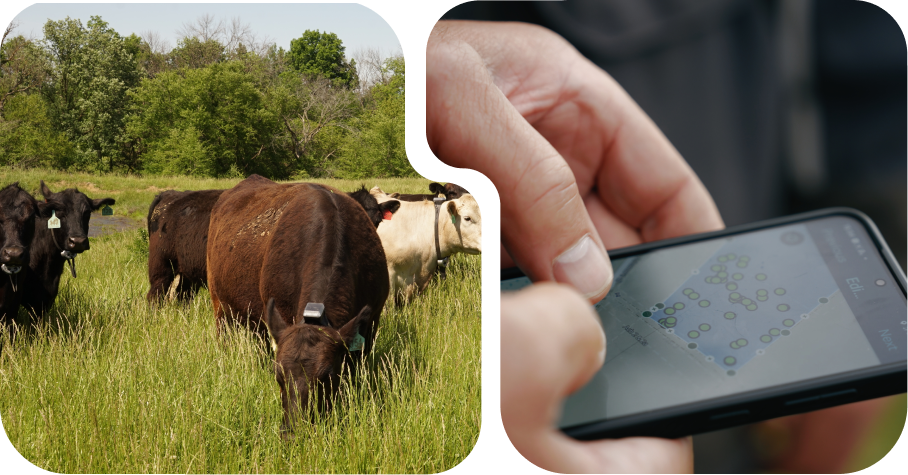
Monil’s collar sits on top of the cow’s neck rather than hanging underneath. That position gives the solar panel direct access to sunlight, which supports charging during normal use. It also gives the GNSS/GPS signal a clearer view for more accurate location tracking.
The collar communicates with the Monil app through cellular connectivity, allowing producers to update fences, receive alerts, and monitor herd activity. GNSS/GPS helps determine where the animal is, while cellular connectivity sends information between the collar and the app.
3. Directional audio
With Monil, the sound from the collar starts when the cow crosses the virtual boundary. If she continues moving away from the grazing area, the pitch increases. When she turns back towards the pasture, the pitch drops. This gives the animal directional feedback, helping her understand which way to move instead of only hearing a warning sound.
4. Unique insight into the herd
The Monil collar continuously collects data that can help producers spot changes earlier and understand what’s happening across the herd. Some of these insights include:
- Activity monitoring: The collar tracks movement patterns and activity levels. A cow moving less than her normal pattern can sometimes be an early sign that something is wrong.
- Heat detection: Monil combines activity and rumination data to identify breeding cycles more accurately.
- Rumination tracking: Changes in rumination patterns can provide an earlier signal that something has shifted with the animal.
- Calving alerts: The system can identify cows that separate from the herd or show movement patterns associated with calving activity.
Monil’s collar doesn’t replace the instincts and experience of the producer, but it does offer another set of eyes on the herd, helping catch changes earlier and respond to smaller issues before they become bigger ones.
Interested in how virtual fencing can benefit your ranch? Contact us here👇🏼