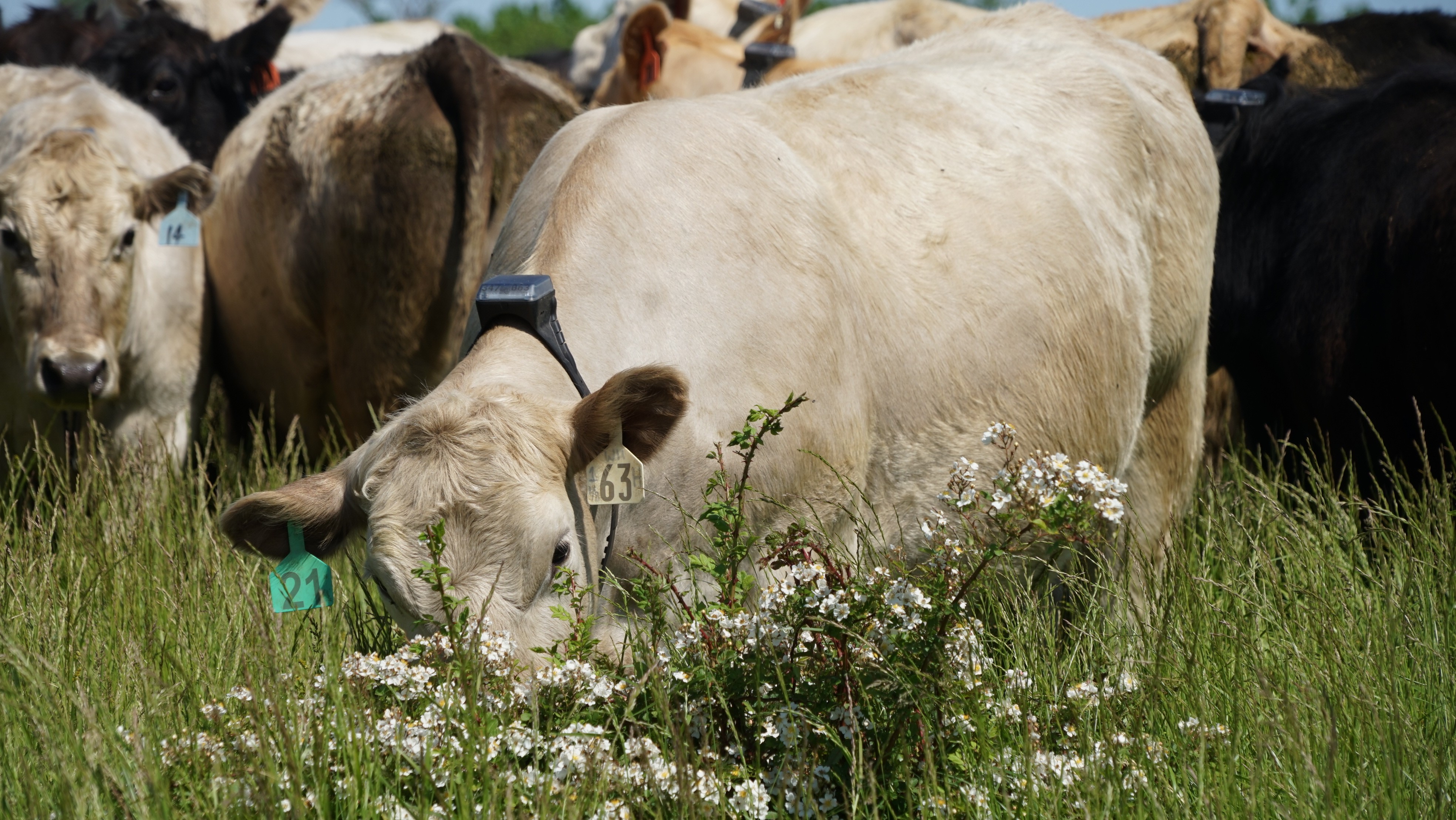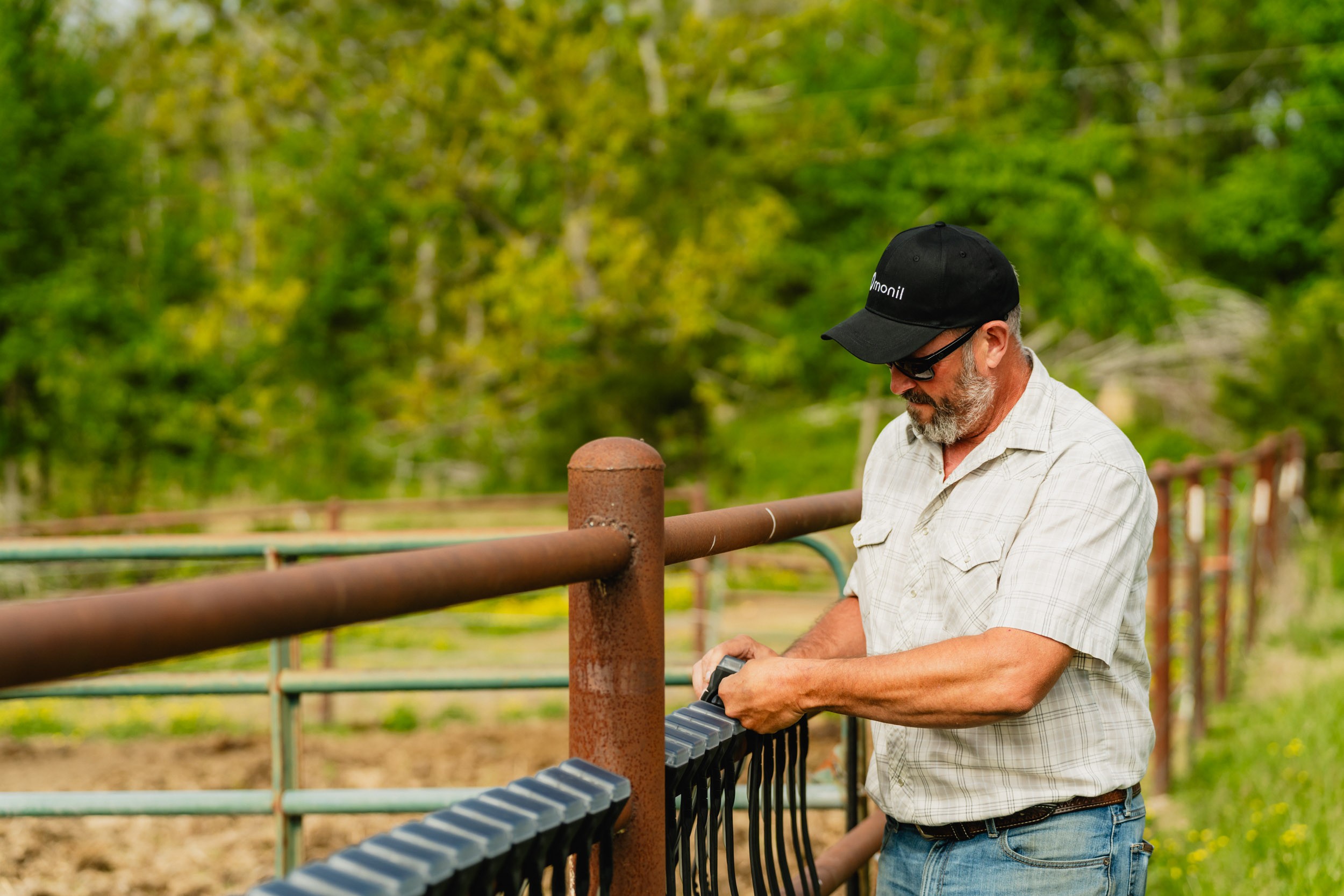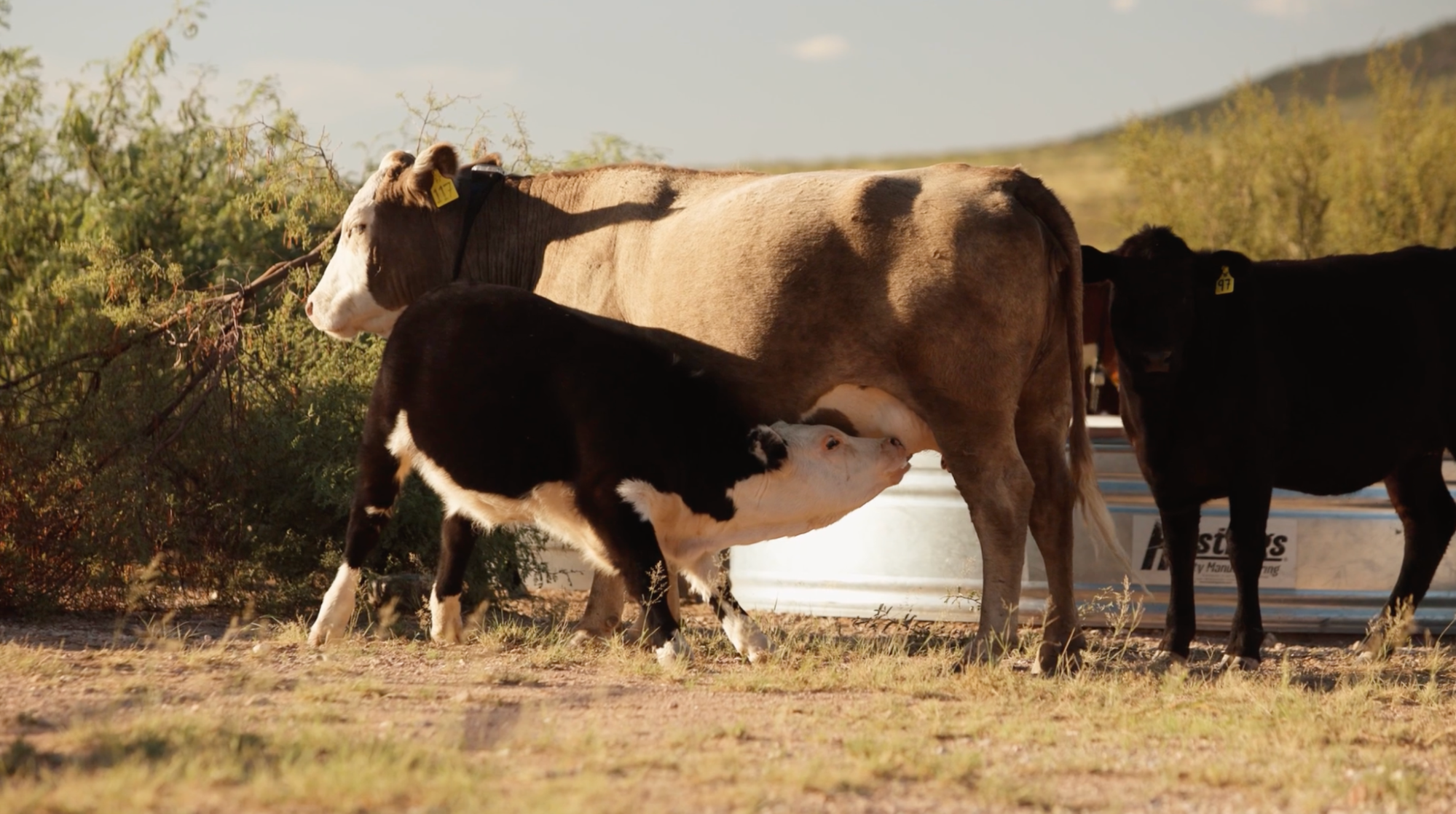

The Monil cattle collar just got an upgrade that is great for cow-calf producers and their pocketbooks.
Monil, a leader in virtual fencing and livestock monitoring, today announced the launch of its new outdoor Calving Detection feature. Designed to help cow-calf producers catch calvings early and locate newborn calves quickly, the new feature delivers push notifications and estimated calving locations directly to a producer's phone.
For any cow-calf producer, calving season means keeping a close eye on the herd. Whether cows are spread across open range or rotational paddocks, knowing when a cow is calving, and where, can make all the difference for both the calf and the mother.
When it comes to newborn calf survival and long-term performance, timing is everything.
"Colostrum has to go in within the first four hours after birth to really have optimal effect," explains Dr. Patrick Comyn, veterinarian and owner of Virginia Herd Health Management Services. "If a calf gets inadequate colostrum, its chance of 30-day survival drops significantly, its probability of needing medical treatment down the line increases exponentially, and its final carcass value can drop by 10 to 15 percent."
The challenge is even greater with first-calf heifers. Heifers produce less colostrum to begin with and are still learning how to be mothers.
"Having a system where you know when an animal is calving and where she is changes your intervention time completely," Dr. Comyn adds. "Getting colostrum into those calves during that critical window can practically pay for the collars by itself."
Understanding the Calving Alert
To help catch those critical moments, Monil built its new calving detection feature around something cattle producers have watched for generations: a cow separating herself from the herd before calving.
As calving approaches, cows will often change their behavior and isolate themselves from the group to find a place to give birth and protect their newborn.
Monil uses the location data already collected by the collar to monitor where each cow is in relation to the rest of her herd. When the system identifies behavior consistent with calving, it can alert the producer and help point them toward where the cow, and potentially her new calf, may be located.
“Giving producers a calving alert is solving a real, everyday problem," explains Lars Bjaalie, head of Monil's data science team.
"We realized by looking at how a cow's position compares to her herd mates, we could reliably detect outdoor calvings in large pastures using an isolation algorithm. It gives ranchers a timely heads-up when an animal goes off on her own, while at the same time letting them know where she's located."
How the Alert Works on Your Phone
The system evaluates position data every 20 minutes. When it detects behavior associated with calving, it sends a push notification directly to the producer through the Monil app.
Depending on the size of the virtual pasture and how early the cow begins searching for a secluded spot, the alert can trigger up to 12 hours ahead of calving, or right as the calving process begins.
Once you receive the alert, the app helps you pinpoint where to look. The model also attempts to identify the most likely location where calving takes place. This map helps producers navigate straight to the animal, enabling faster intervention if assistance is needed and drastically reducing time spent searching for hidden newborn calves.
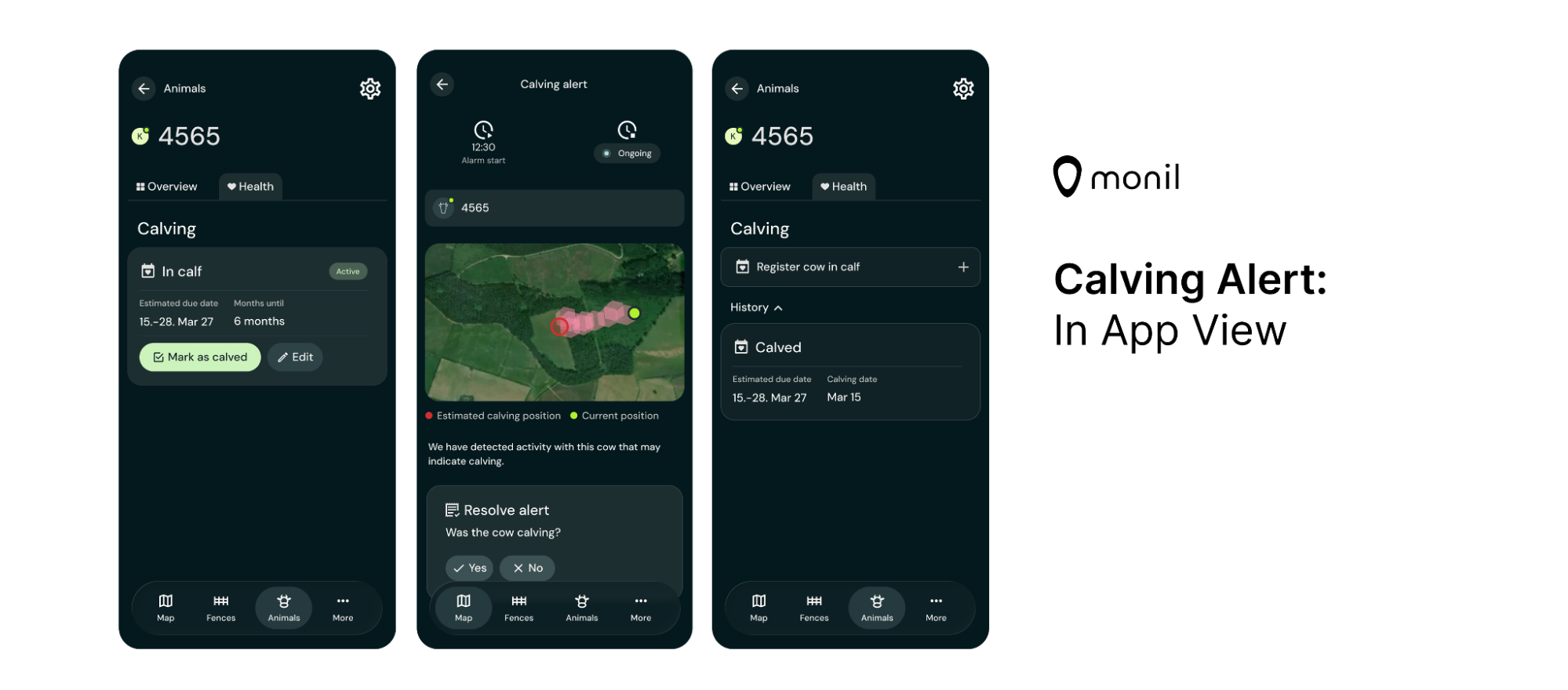
For the feature to work properly in the field, a few simple conditions are required:
- The animal must be marked as "in calf" (pregnant) in the Health tab with an expected due date.
- The cattle must be outdoors in a virtual pasture large enough for an individual animal to meaningfully isolate herself from the herd.
- The cow must be assigned to the pasture alongside a group of her herd mates so the system can measure displacement relative to the group.
Technology in agriculture is at its best when it supports the producer's expertise rather than trying to replace it. Monil doesn’t replace a cattlemen’s eye, experience or daily herd care. Instead, think of it like an extended ranch hand that never clocks off, tapping you on the shoulder when an animal needs a closer look.
Because the Monil system runs entirely off standard cellular networks without requiring base stations or towers, you get live location tracking, fence control and animal health alerts without heavy infrastructure investments.
When you can spot a calving cow sooner, intervene faster, and find newborn calves without burning fuel or daylight, the collar does more than hold a fence line. It helps protect your herd and your bottom line.
The Calving Detection update will roll out to Monil customers with active collar subscriptions at no additional cost. Customers will simply need to update the Monil app through the App Store or Google Play.
Happy calving!
For current customers with questions, contact your farmer success team at support@monil.com.
Interested in learning more about Monil for your operation? Fill in the form below and our team will get in contact.