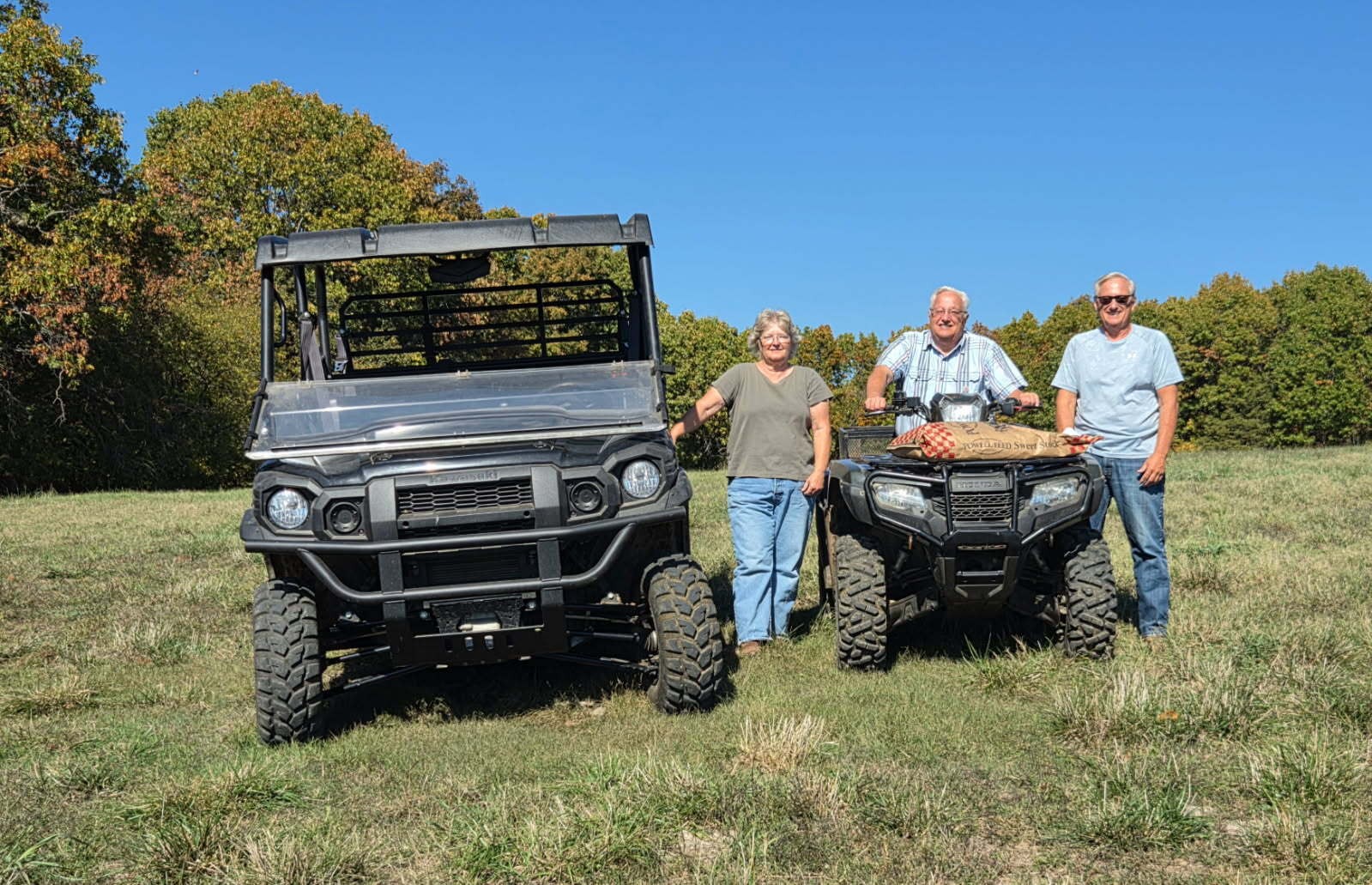

Steep hills, rocky pastures, overgrown brush and aging fences. There was no shortage of work to be done when Kent Pettit and his siblings took over their parents' farm.
Their parents bought the 300-acre property in 1976, and their father continued farming well into his 80s. But over time, the pastures had become overgrazed, and keeping up with the farm had become increasingly difficult.
Now in their mid-60s, the three siblings were taking on a challenge none of them had expected at this stage of life. Kent had spent his career as a computer programmer, while his twin brother had worked as a state auditor. Their younger sister was the only one who had stayed close to the farm.
“Even though the farm’s been there for a long time, we are really beginner farmers,” Kent says. But as his twin likes to remind him, “The best time to start farming is when you get a farm.”
Giving the land a chance to recover
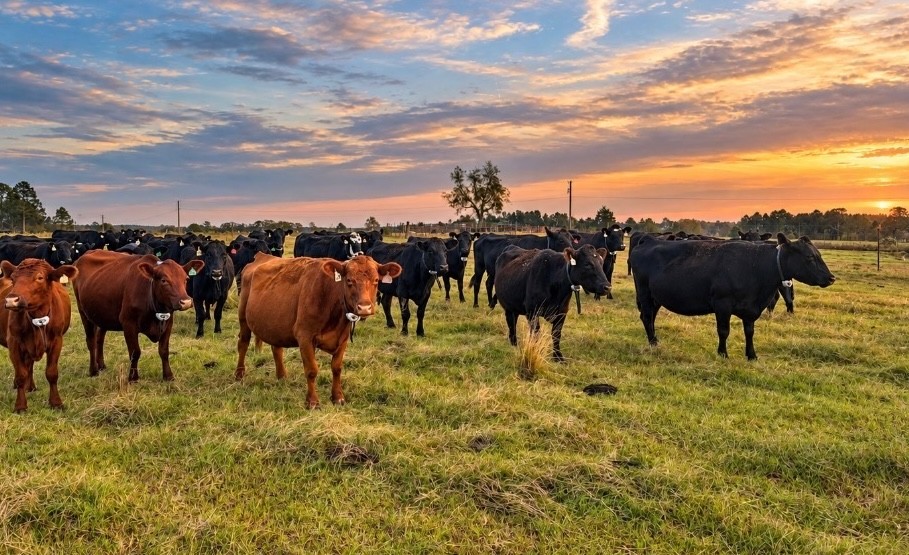
The Pettit siblings knew they couldn’t carry on farming the way it had been done before. The pastures needed time to recover, and there were more cattle than the land could comfortably support. They decided to sell roughly half the cattle, bringing it down to around 35 cows, and began dividing the property into paddocks for rotational grazing.
It’s been a true family affair, with everyone pitching in where needed. Kent says his brother has more farming knowledge than he does, while their sister knows the land better than anyone else.
“My brother and I were the first ones on the rotational grazing bandwagon, but once we began moving the cattle between paddocks, my sister quickly saw the difference.”
The family has also had to deal with two years of severe drought. Despite the lack of rain, they are already seeing encouraging results.
By October 2026, while other producers in the area had started feeding hay, the Pettit's cattle were still finding enough grass to graze.
“To see the progress we’ve made is really shocking to all of us,” Kent says.
A different approach to fencing
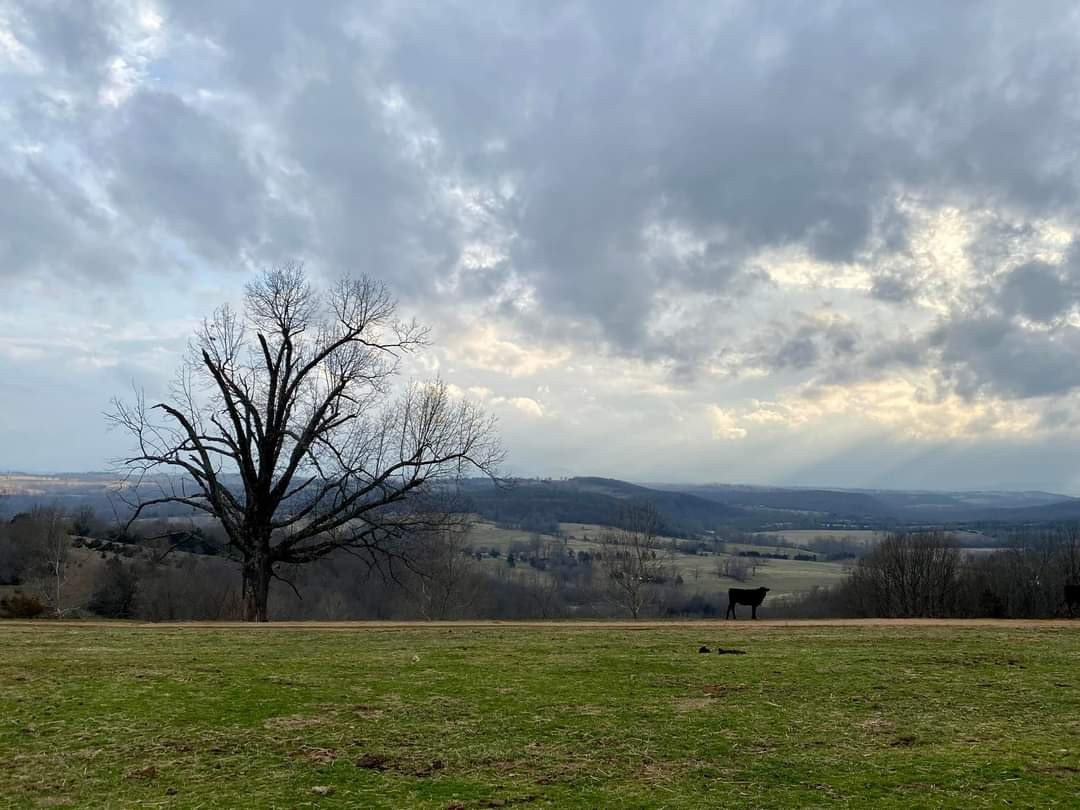
Fencing is particularly hard work in the Ozarks. Between the steep slopes, rocky soil, and thick brush, even temporary fencing can be a challenge.
When the Pettits received funding through the USDA’s Environmental Quality Incentives Program (EQIP), they had to decide whether to invest in more physical fencing or try something different. They chose Monil virtual fencing.
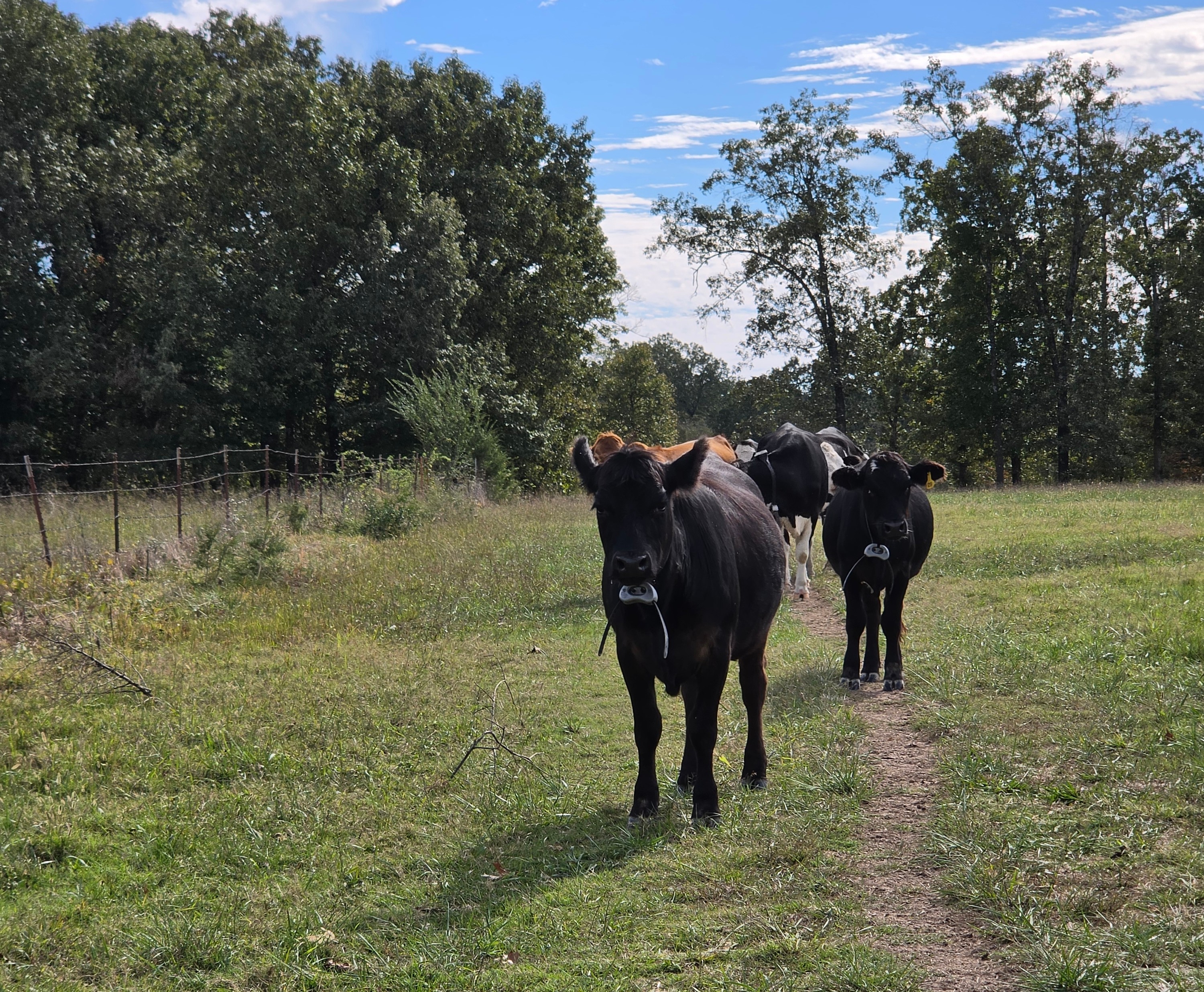
The Monil collars allow them to create grazing boundaries without running wire across every hillside. They can also monitor their cattle through the app, which is especially useful for Kent, who lives an hour from the farm.
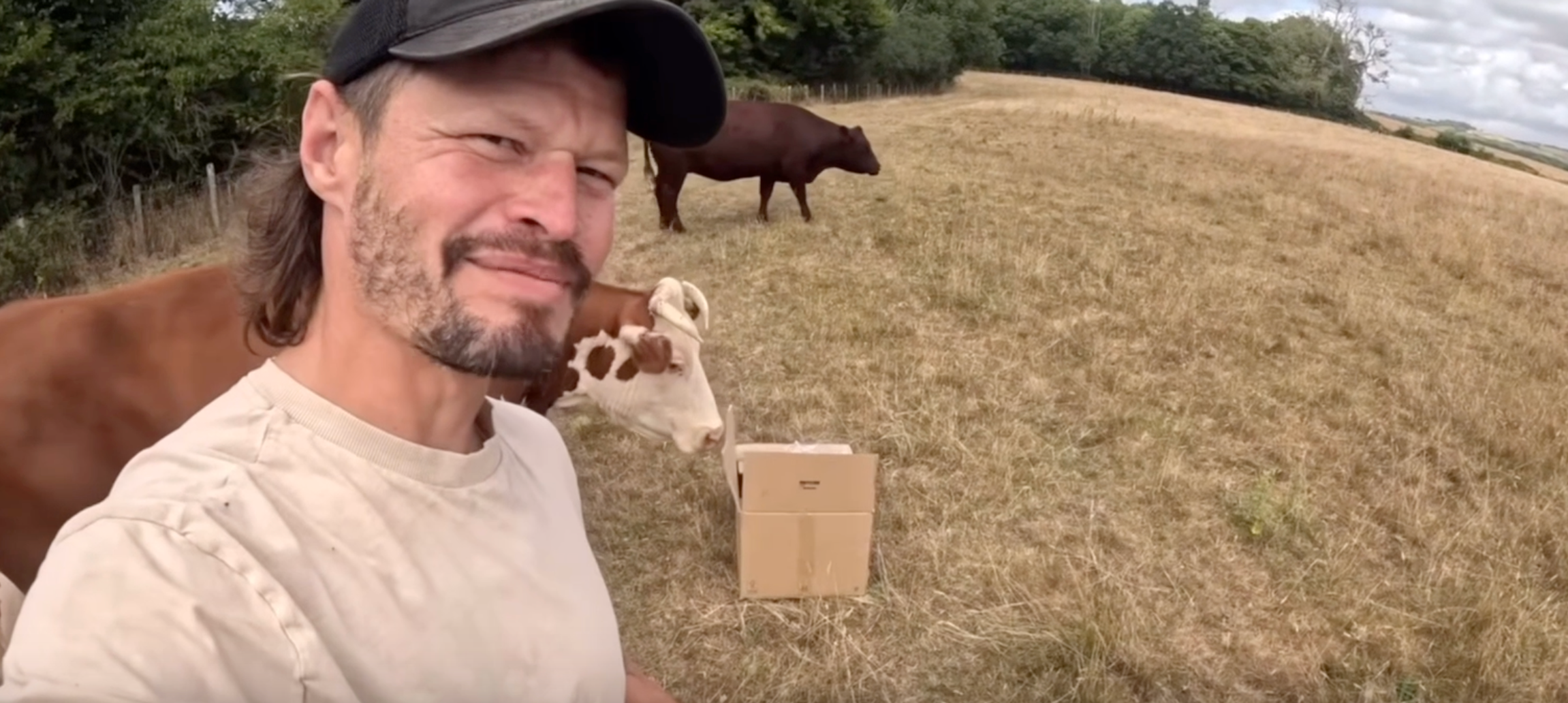
The cattle have caught on quickly, too. Kent recalls opening a gate with a bag of feed on the back of the four-wheeler. Normally, the cattle come running, eager to get the feed. But that time, they reached the virtual boundary and stopped.
“When they hit that virtual fence, we hear the alarms and see the cattle stop, even with the bag of feed right there,” he says.
Letting the cattle guide the grazing
They are also learning to read the cattle’s behavior through the Monil app. During the drought, the family has been watching how often the cattle approach and test the virtual boundaries. If they start pushing against a fence more frequently, it may be time for fresh grass.
The Monil app has also helped the Pettits keep an eye on individual animals. When one cow began separating herself from the herd ahead of calving, the family spotted the change in behavior and moved her to a smaller paddock for monitoring and treatment for mastitis.
Water access still limits how small the grazing areas can be, and the pastures still need more time to recover. The Pettits are now planning to install water tanks, which would allow them to move cattle more frequently. With virtual fencing making these grazing moves easier, they hope to improve pasture productivity and eventually grow the herd again. They are also interested in introducing goats someday to help manage brush and weeds.
The siblings have plenty of ideas for the future, but their top priority is getting the land back in shape. Virtual fencing gives them room to experiment with how they manage grazing as the farm recovers. For Kent, the decision to try something new has been a good one.
“Let’s just say, I don’t think anybody in our family regrets choosing virtual,” he says.
See what virtual fencing could do for your farm
From making better use of your pastures to spending less time moving fences, Monil gives you more flexibility to manage your land and cattle. Tell us a little about your operation, and our U.S. team will help you explore what's possible.