
Watch Sarah & John’s story here:
Don't have time to watch the video?
Here's a summary of the highlights:
Some ranches are businesses. Kings Anvil Ranch is a legacy. The King family has worked the same land since 1895, and John and Sarah King are the fourth generation to do so. Their children will be the fifth. Every generation that has come before has left something behind: better watering systems, improved fencing, infrastructure built to make the next generation's job a little more manageable. Sarah sees Monil virtual fencing as the latest step in that line.
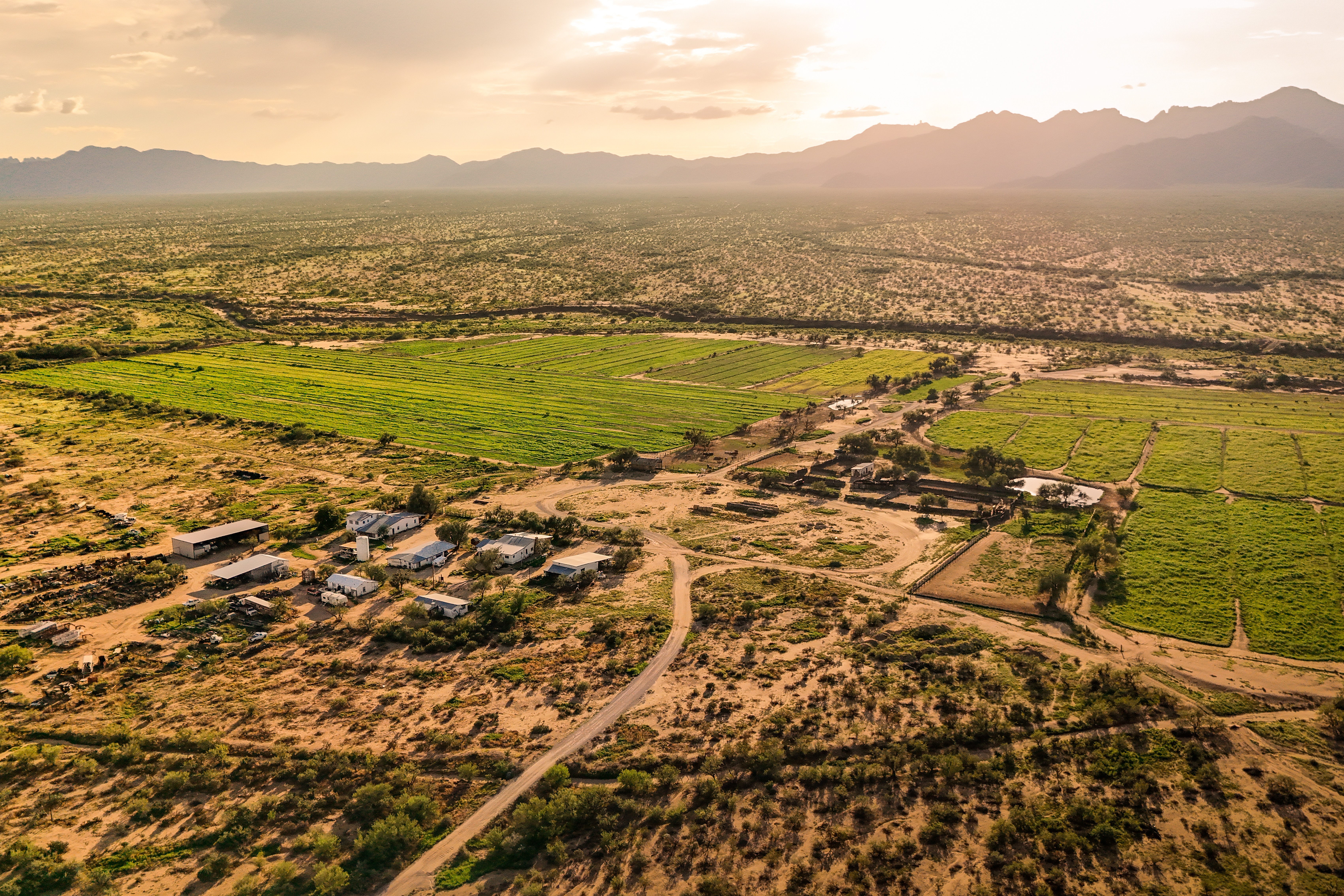
A large-acre ranch divided into pastures
Kings Anvil Ranch encompasses a lot of acreage, divided into smaller pastures that are, as Sarah puts it, smaller in name only. Even within those pastures, finding cattle means navigating trees, terrain, and boundary lines that stretch far enough to swallow a morning before you've ticked off the first task.
For generations, checking fences and keeping waters in repair has been the rhythm of the day. Some of those fences are now over a hundred years old. Repairing them is increasingly costly. As John says while laughing: “stretch the wire a little too tight and you'll hear it pop somewhere further down the line”
Knowing the cattle are where they're supposed to be, without having to ride every fence line has become one of the most tangible day-to-day benefits of the Monil cattle collars.
"With the collar system we can know that they're all contained to the right pastures and in the right areas."
Boundary lines and peace of mind
For a ranch that borders neighboring properties, knowing where the cattle are isn't just a matter of convenience, it’s a matter of responsibility. Kings Anvil Ranch has good fences, but good fences on ageing infrastructure still leave room for doubt. The Monil app removed that doubt.
"Knowing that they are not crossing onto neighbors has been a big priority for us, and watching those fence lines in particular is really important to us."
With 50 head now wearing collars, Sarah can check the app and confirm at a glance that every animal is where it should be. When they do go out in person,which they still do, because seeing and interacting with the cattle still matters, they already know which gate to go through and which direction to head.
"If you think you're missing a cow, you can pull that up in the app and get right to her."
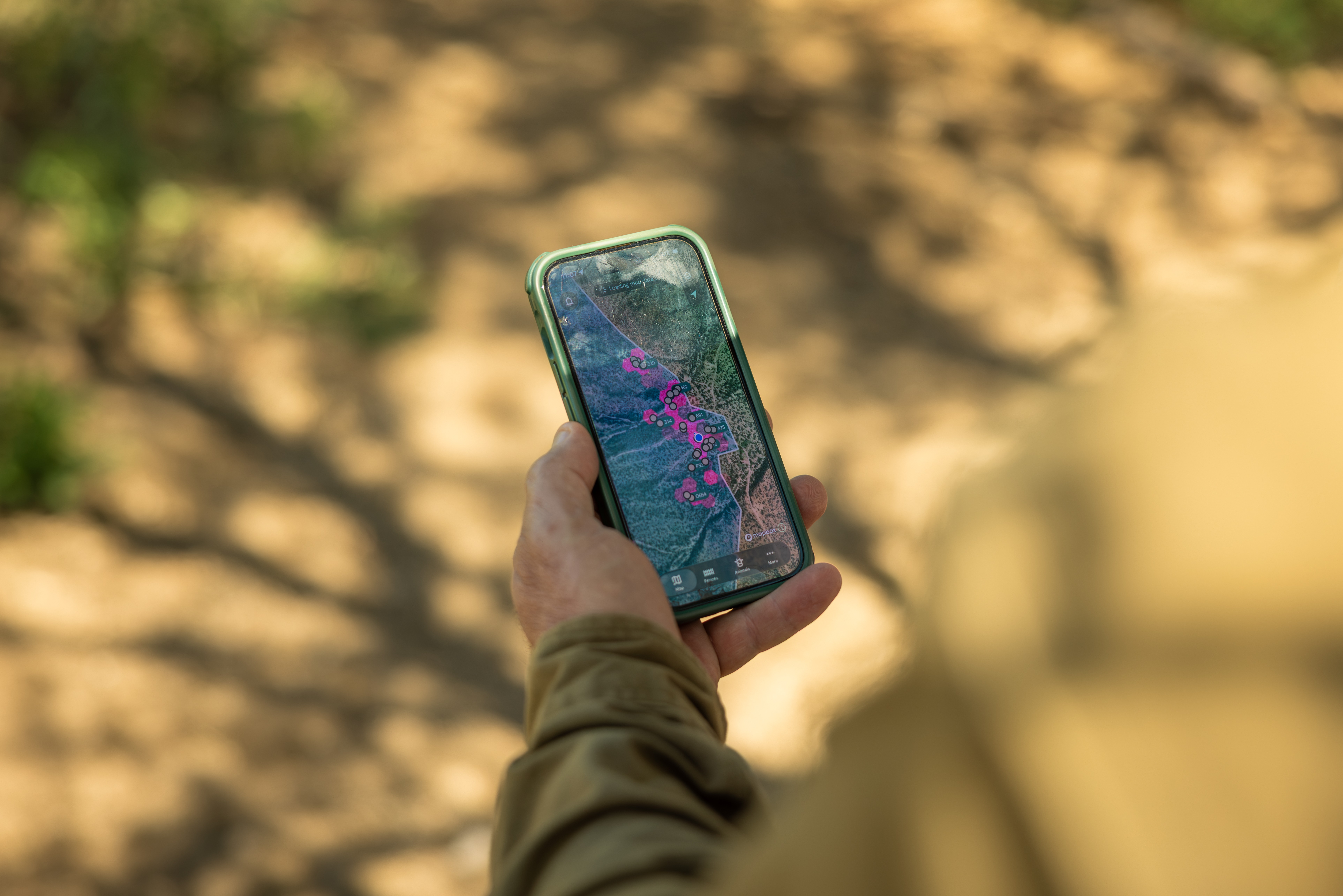
Pastures that were too risky to use properly
The collars have also unlocked something Sarah hadn't fully anticipated: the ability to graze pastures that were previously underutilized. Some areas sit close to the ranch boundary, and the uncertainty of whether cattle would stay put had always made it difficult to graze them.
With the virtual fence holding them in place, those pastures are finally being used as intended. The cattle have responded accordingly.
"This has been an opportunity for them to more effectively graze those pastures, which has put weight on them — and they're in great condition up there right now."
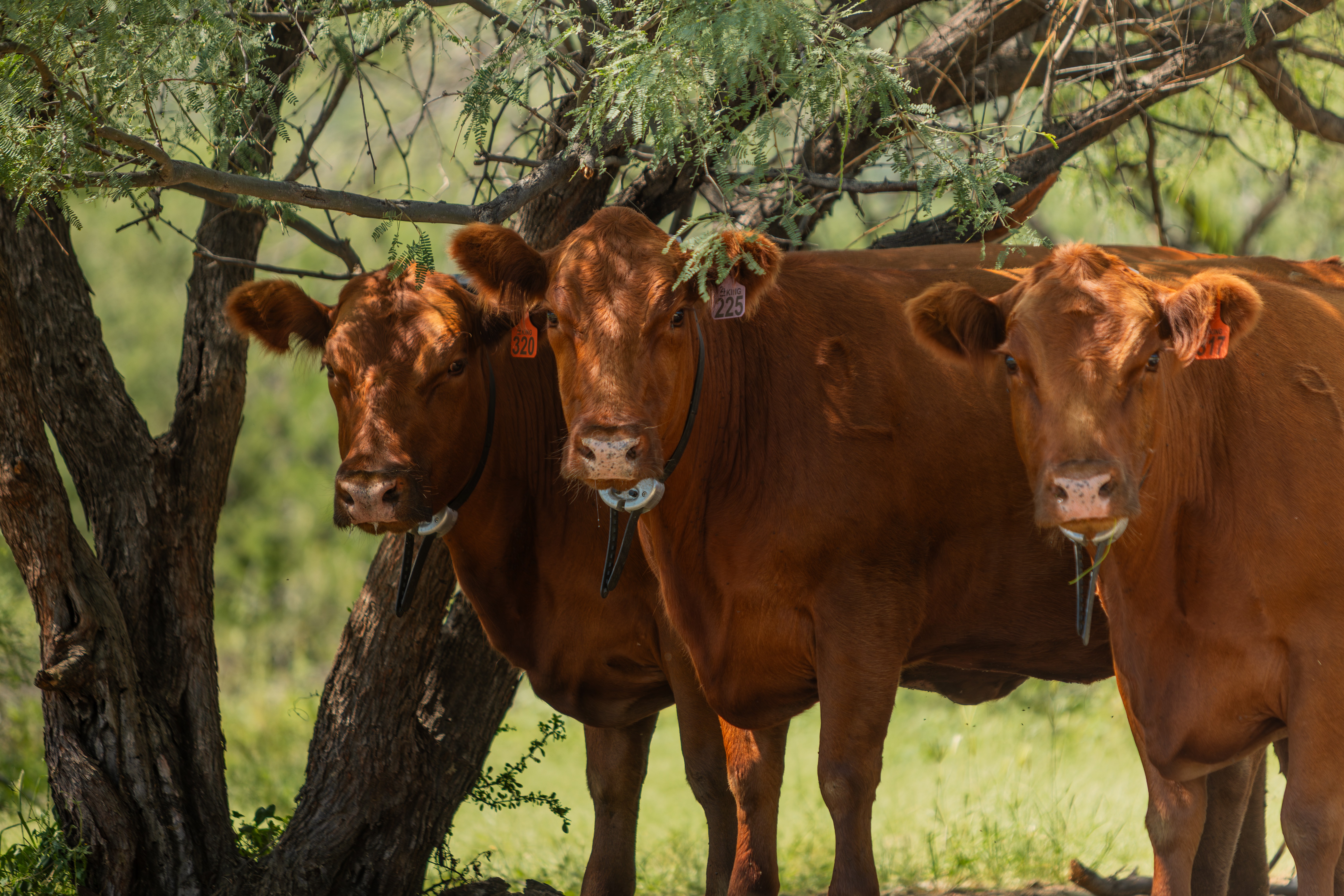
Adding to the toolbox
Kings Anvil Ranch came to Monil through a University of Arizona researcher who was evaluating how the collars compared to others on the market. She approached Sarah and her husband to see if they'd be willing to test them. They said yes, and what started as a trial has become a fixture of how the ranch operates.
The features Sarah uses most are straightforward: location tracking, utilization maps showing where the cattle have been grazing and health alerts that flag when something might need attention.
But the way Sarah talks about virtual fencing goes beyond features. Each generation of the King family has left the ranch in better shape than they found it. Better water. Better fencing. Better systems. Technology, for Sarah, is just the next chapter in that story.
"We like to think that our use of technology and adding tools to that toolbox is just one more step in that line."
Running a multi-generational ranch and want to find out more? We'd love to hear about your operation.
Get in touch by filling in the form below.